
The Most Reliable Air Compressor Brands Available in Canada
Choosing the right air compressor is more than a matter of brand recognition. It is about performance, consistency, and support when it matters most. In Canada’s demanding climate, reliability becomes essential whether you are running a workshop, managing a construction site, or maintaining equipment in a production facility. We have seen firsthand how much difference the right compressor makes to daily operations. A dependable unit reduces downtime, lowers maintenance costs, and keeps production running smoothly.
Understanding What Makes an Air Compressor Reliable
A reliable air compressor does not just perform well in the short term. It maintains steady output, efficiency, and durability over many years of operation. The key lies in three areas: build quality, maintenance requirements, and availability of parts and service.
Build quality determines how well a compressor can handle continuous use and variable conditions. In Canada, temperature swings can put extra strain on mechanical systems, which means materials, seals, and lubricants must be built for extremes. Compressors that overheat or leak under pressure do not only waste energy but also shorten the lifespan of other connected tools.
Maintenance requirements also affect reliability. Some models are designed with easy access to filters and valves, allowing quick cleaning or replacement. The less time a technician spends disassembling panels or chasing parts, the more productive the operation stays.
Finally, the availability of service and replacement parts in Canada is often overlooked until something goes wrong. Even a strong compressor becomes a burden if parts must be imported or technicians are not trained to handle repairs locally.
Industrial Leaders Known for Consistency
In industrial settings, heavy-duty performance is critical. Several compressor brands have proven themselves dependable over time.
Sullair, for instance, has built a reputation on rotary screw compressors that run for years with minimal downtime. The design focuses on fewer moving parts, which reduces wear and tear. Similarly, Atlas Copco combines energy efficiency with robust build quality, making it a common sight in factories across Canada. Kaeser compressors are also widely respected for their attention to air purity and consistent pressure output.
Industrial reliability also depends on energy control systems. Many of these compressors include variable speed drives that match output to demand. This feature not only saves energy but also extends the lifespan of the unit. By reducing stress on components during low-demand periods, it prevents premature failures and reduces maintenance costs.
If you are researching different models or considering a system upgrade, you can explore various air compressors in Canada to find detailed technical specifications and performance ratings.
Reliable Options for Small Shops and Contractors
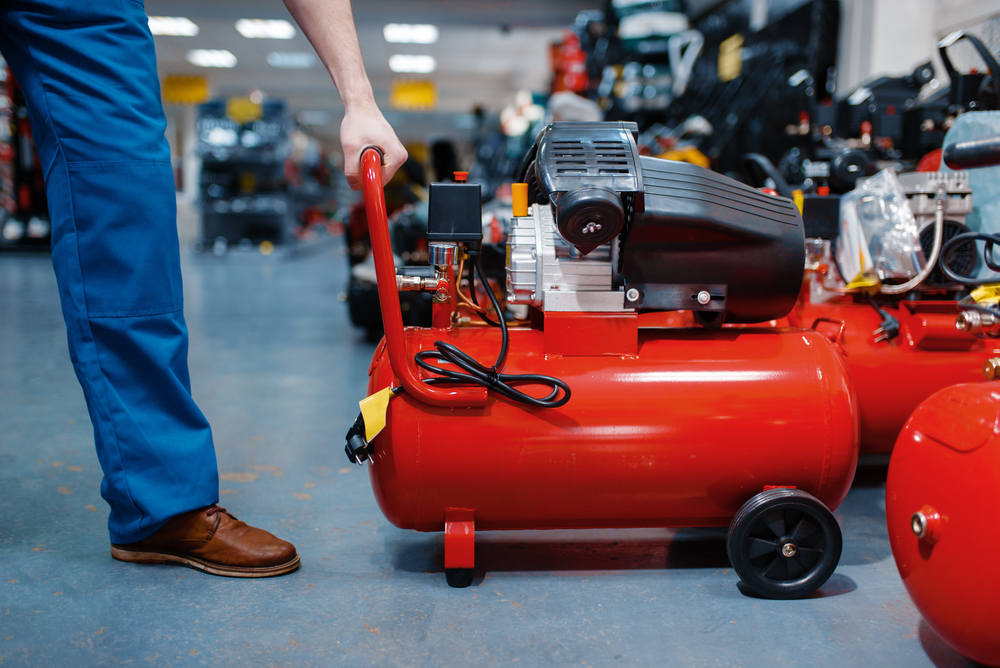
While industrial compressors are designed for continuous operation, small businesses and contractors need portable, efficient models that can handle variable workloads. These compressors must start easily, maintain steady output, and travel between sites without complications.
Brands such as DeWalt, Ingersoll Rand, and Quincy have earned solid reputations among tradespeople. DeWalt models are practical for smaller tasks, often built with sturdy frames and easy-to-read gauges. Ingersoll Rand units stand out for their balance between portability and power, offering good air delivery for pneumatic tools. Quincy, on the other hand, appeals to users who prioritize long-term durability and quiet operation.
What often separates reliable portable units from cheap alternatives is the motor design and cooling system. A quality unit uses an induction motor with proper thermal protection and an efficient cooling setup that prevents overheating on long jobs. It is also important to check that the compressor provides enough CFM (cubic feet per minute) to match the most demanding tool in your kit.
What Canadian Buyers Should Look For
The Canadian environment poses unique challenges. Winter cold can thicken oil and slow startup times, while summer heat can push compressors close to thermal limits. A reliable brand takes these conditions into account. Look for models that specify cold-start technology or low-temperature lubricants. Some manufacturers even offer heaters for the crankcase or air intake to prevent freezing.
Noise is another factor often overlooked. In residential or indoor settings, a quiet compressor makes a big difference. Brands that include noise-reduction enclosures or low-vibration mounts are worth considering.
Power supply also matters. Canadian voltage standards vary slightly between provinces and applications, so always verify that your chosen model fits your available power source without adapters or converters.
When assessing reliability, warranty coverage provides another layer of assurance. Reputable brands typically include multi-year warranties that cover both parts and labor. However, the real test is the ease of claiming support when needed. A brand with a strong Canadian distributor network ensures you do not wait weeks for assistance.
Energy Efficiency as a Sign of Reliability
A reliable compressor is not just tough; it is efficient. Energy efficiency reflects how well the internal components are designed and balanced. Compressors that waste air through leaks or operate at inconsistent pressures consume more electricity, leading to higher long-term costs.
Modern models with variable speed technology, improved sealing, and intelligent monitoring systems can save substantial energy over time. These systems automatically adjust air output to match usage, avoiding unnecessary strain on the motor. Even a 10 percent reduction in energy waste can translate into hundreds of dollars saved each year for a small shop and far more for industrial users.
Monitoring systems that record performance data also enhance reliability. They alert users when filters need changing or when air pressure deviates from optimal ranges. This allows early maintenance before problems escalate.
Comparing Service Networks and Support
When selecting a brand, service availability should weigh as heavily as performance. Even the best machine will require attention at some point. A reliable manufacturer maintains a clear service network across Canada with trained technicians, spare parts, and quick response times.
Brands with weak local support often cause frustration. Waiting for imported parts or relying on remote technical advice can lead to unnecessary downtime. Before purchasing, it is worth asking where the nearest authorized service center is located.
Local distributors play a significant role in long-term reliability. They understand Canadian conditions, stock compatible components, and provide practical advice on installation and maintenance. In some cases, distributors also offer maintenance contracts, which can help extend warranty coverage and reduce unexpected repair costs.
Balancing Cost and Reliability
It is easy to focus on upfront price, but reliability should always take priority. The cheapest option rarely stays cheap in the long run. Frequent repairs, inefficient performance, and energy loss quickly offset any initial savings.
To make an informed decision, calculate the total cost of ownership. Include purchase price, maintenance intervals, energy use, and expected lifespan. A more expensive compressor that operates efficiently for ten years often costs less over time than a low-cost unit replaced every three years.
One practical way to estimate this is to compare energy ratings and service intervals listed in manufacturer specifications. Longer intervals between oil changes or filter replacements indicate better engineering and lower upkeep costs.
Maintenance Practices That Extend Reliability
Even a reliable brand requires consistent care. Regular inspection of filters, belts, and oil levels can prevent major failures. Compressors that run in dusty environments need extra attention since particles can clog intake systems and reduce airflow.
Condensate drains should also be checked frequently. Moisture buildup in the air tank leads to corrosion and reduced air quality. Automatic drains are helpful, but they should still be tested manually to ensure proper function.
Another key practice is monitoring pressure drops in your system. A sudden drop can indicate leaks or worn-out seals. Catching these early prevents extra strain on the compressor and helps maintain steady performance.
Finally, maintain proper ventilation around the unit. Compressors generate significant heat during operation, and blocked airflow can lead to overheating or shutdowns. Simple habits like cleaning the area around vents and avoiding storage near walls can make a noticeable difference.
When to Replace Instead of Repair
Sometimes reliability issues come from age, not brand. After many years of service, internal wear makes even the best machines inefficient. When repair costs begin to approach half the price of a new model, replacement becomes more economical.
Modern compressors also integrate better energy management and quieter designs, which can improve productivity and comfort in the workspace. Choosing a replacement that matches your air requirements and offers reliable local support ensures long-term satisfaction.
If you are evaluating replacement options or need help selecting the right size for your operation, you can contact us for guidance tailored to your specific needs.
FAQ
What is the most reliable air compressor type for cold climates?
Rotary screw compressors tend to handle cold weather better because they maintain consistent internal temperatures and start more easily than piston models.
How often should a compressor be serviced?
Most units require inspection every 2,000 to 4,000 operating hours, but checking oil, filters, and drains more frequently helps prevent problems before they grow.
What size of air compressor do I need for a workshop?
That depends on the total air demand of your tools. Add up the CFM requirements of your most used tools and choose a compressor with at least 20 percent higher capacity.
Can energy-efficient compressors really save money?
Yes. Compressors with variable speed drives or improved sealing can cut energy use by 15 to 30 percent, lowering both electricity bills and wear on components.
Is it better to repair or replace an older compressor?
If major components like the motor or air end need replacement and the unit is over ten years old, investing in a new model is usually more cost-effective.
A dependable air compressor should never be a constant concern. It should simply work, day after day, without interrupting your flow. By choosing a reliable brand, maintaining it properly, and relying on local expertise, we keep our operations steady and productive across Canada.