
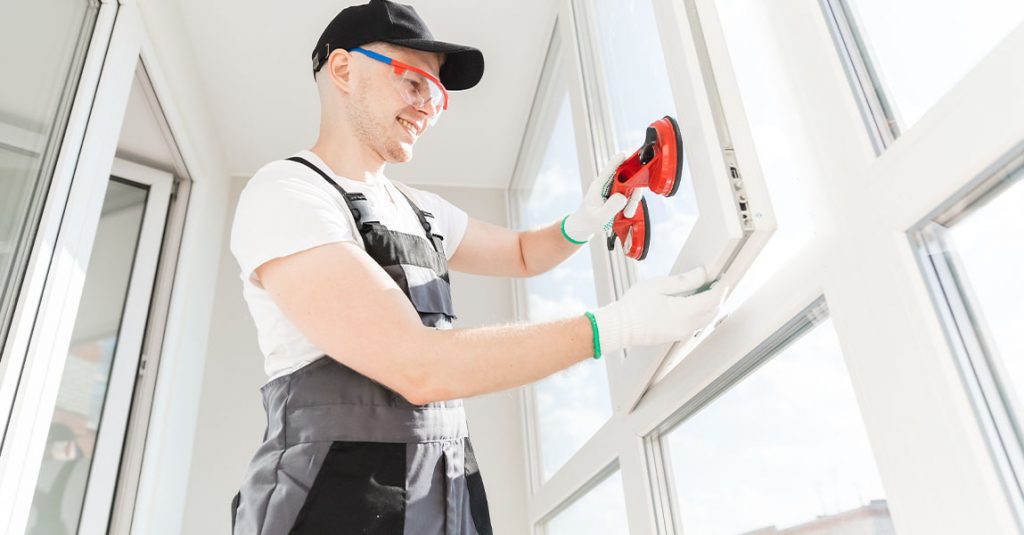
How Proper Installation Improves Window Performance
Windows play a bigger role in home comfort and energy use than most people realize. Even the highest quality windows can perform poorly if they are not installed correctly. Proper installation affects how well windows insulate, reduce noise, and protect against moisture. When done right, it prevents drafts, condensation, and structural issues that can appear months or years later. In this post, we will look at why correct installation matters, what it involves, and how it can help you save money and avoid future problems.
Why Installation Quality Matters
Every window is designed to perform within specific limits. Manufacturers test for insulation, air leakage, and water resistance under controlled conditions. Those results depend on correct installation. Once a window is placed in an uneven opening or sealed with improper materials, the real-world performance drops sharply.
Small gaps around the frame can let air escape even if the glass itself is energy efficient. Poor leveling can prevent the sash from closing tightly, allowing cold air to enter during winter. Incorrect flashing or sealing can let water seep into the wall cavity. Over time, this can lead to mold, rot, or damage to the surrounding materials.
A proper installation ensures that each part of the window works as intended. It creates a tight seal, balances pressure, and maintains structural integrity. When we complete a project like window replacement in Calgary, we make sure that each window performs as it was designed to from the start.
The Impact on Energy Efficiency
Windows are one of the biggest sources of heat loss in a home. Even small leaks can have a measurable effect on utility bills. A well-installed window reduces drafts and minimizes the transfer of heat between inside and outside.
Proper insulation around the frame prevents conditioned air from escaping. This helps the heating system maintain a consistent temperature without working overtime. During summer, the same insulation keeps cool air inside and hot air outside. Over a full year, this balance can lower energy costs significantly.
It is not just about saving money. Consistent indoor temperatures also improve comfort. Rooms near older or poorly installed windows often feel colder in winter and hotter in summer. Correct installation eliminates those temperature differences and creates a more balanced environment throughout the house.
Preventing Moisture Problems
Water infiltration is one of the most damaging issues that can occur after window replacement. Once moisture enters the wall, it can remain hidden behind drywall or insulation for months. This can lead to mold growth or wood rot before any signs appear on the surface.
Proper installation includes more than fitting the window in place. It involves adding flashing, sealing gaps with the right materials, and ensuring correct drainage. The sill must be slightly sloped outward to let water flow away from the structure. If installers skip or rush these steps, water can collect at the frame and cause damage over time.
We often see homeowners blame condensation on the glass when the real issue is air leakage around the frame. The seal between the window and the wall must be continuous and airtight. This level of precision separates a long-lasting installation from one that fails within a few seasons.
The Role of Air Sealing and Insulation
Even small air leaks can cause large efficiency losses. Proper sealing prevents uncontrolled air exchange and keeps indoor humidity stable. In colder climates, like Calgary, this is especially important.
Expanding foam insulation is often used around the perimeter, but it must be applied carefully. Overfilling can distort the frame, while underfilling leaves gaps. Professional installers understand how to balance expansion pressure and achieve an even seal. They also know how to choose sealants that can expand and contract with temperature changes without cracking.
Sealing is only half the process. Insulation between the window frame and rough opening must be dense enough to block thermal bridging. This keeps the frame temperature close to the interior temperature, reducing condensation risk and maintaining comfort year-round.
Structural Alignment and Stability
Proper installation ensures that the window remains square, level, and plumb. These details affect how easily the window opens and closes, how well it locks, and how it resists wind pressure.
If the frame is twisted or uneven, it places stress on the glass and hardware. Over time, that stress can cause the seals between panes to fail, leading to fogging or condensation inside double-glazed units. Once that happens, the insulation value drops dramatically, and replacement becomes necessary.
In some older homes, shifting foundations or warped walls make installation more challenging. Skilled installers compensate for those irregularities while maintaining alignment. This not only protects the window but also extends the lifespan of the surrounding wall materials.
Noise Reduction and Comfort
Sound travels through gaps just as easily as air does. When windows are installed correctly, they act as a strong barrier against outdoor noise. This can make a noticeable difference in homes near busy streets or construction areas.
The combination of tight seals, insulated frames, and even pressure distribution helps block vibrations. This is particularly valuable in multi-story buildings or homes near traffic where soundproofing contributes directly to quality of life.
Poor installation can undo all the benefits of a noise-reducing window. Even a tiny gap left unsealed can allow sound to pass through, creating a constant background hum. Proper installation eliminates those weak points and helps keep indoor spaces peaceful.
Choosing the Right Installation Method
The method used to install windows depends on the wall structure, window type, and climate. In Calgary, where temperature swings are wide and winters can be severe, installation requires materials that perform well under extreme conditions.
Retrofit installation keeps the existing frame and replaces only the window unit. This can be cost-effective when the frame is in good condition, but it requires precise measurements and sealing. Full-frame installation removes the old frame entirely and replaces it with a new one. This option provides better insulation and sealing but involves more work.
Each method has its place, but both rely on skill and attention to detail. The installer must assess wall condition, vapor barriers, and insulation quality before deciding which method offers the best long-term performance.
The Connection Between Windows and Home Systems
Windows interact with other parts of the home. Poor installation can cause imbalances that affect ventilation and even the HVAC system.
If air leaks around the frame, it changes how the home maintains pressure and humidity. The furnace or air conditioner must work harder to compensate. This can lead to uneven heating or cooling and higher energy use.
A proper seal helps every system function efficiently together. It also prevents dust and allergens from entering, which is beneficial for indoor air quality. This connection between windows and the rest of the house is often overlooked, but it directly impacts comfort and maintenance costs.
Inspection and Maintenance After Installation
Even after proper installation, windows need occasional checks to maintain peak performance. Seals can degrade over time, especially under strong sunlight or heavy moisture exposure. Regular inspection helps identify small issues before they become major problems.
Homeowners should look for signs like condensation between panes, drafts near the frame, or difficulty opening and closing. These can indicate shifting or seal failure. Cleaning tracks and drains keeps the system free of debris that could block drainage and cause leaks.
Good installers often provide guidance on how to maintain windows properly after installation. Following those recommendations can extend the lifespan of the product and keep energy efficiency high.
Why Professional Installation Makes a Difference
DIY window installation might seem tempting, but it often leads to costly corrections later. Professional installers bring specialized tools, experience, and understanding of local codes. They know how to prepare openings, handle structural variations, and use sealing products suited for Calgary’s climate.
They also ensure compliance with manufacturer specifications. Many window warranties depend on proof of professional installation. Without that, future repairs or replacements may not be covered.
A professional approach reduces risk and ensures consistent results. It also gives homeowners peace of mind knowing that their investment is protected by both workmanship and manufacturer standards.
Knowing When to Replace
Sometimes poor performance has less to do with installation and more with the condition of the window itself. Frames can rot, seals can break, and technology can become outdated. When repairs no longer solve the problem, replacement is often the best choice.
Energy-efficient models today use advanced coatings, improved insulation, and durable materials that last longer and perform better. However, to get the full benefit of those upgrades, installation must be done correctly from start to finish.
If you are unsure about your current windows or planning a replacement, you can reach out through contact us for professional advice and assessment. We can help evaluate whether a repair, retrofit, or full replacement offers the best return for your home.
FAQ
What are the most common signs of poor window installation?
Drafts, uneven gaps, condensation on the interior side, or difficulty operating the window are typical signs. You may also notice water stains or peeling paint near the frame.
Can poor installation cause windows to fog up between panes?
Yes. If the window is misaligned or the frame is not sealed properly, the pressure difference can damage the insulated glass seal, leading to fogging or condensation inside the panes.
How long should a professionally installed window last?
With proper installation and maintenance, modern windows can last 20 to 30 years. The lifespan depends on materials, climate exposure, and upkeep.
Is caulking around the window enough to prevent leaks?
No. Caulking is only one part of the process. Proper flashing, insulation, and drainage are also essential to protect against water infiltration.
How do I know if my window needs replacement or just repair?
If the frame is solid and issues are limited to sealing or hardware, repairs may be enough. If the glass fogs, the frame rots, or energy bills rise, full replacement is usually more effective.