
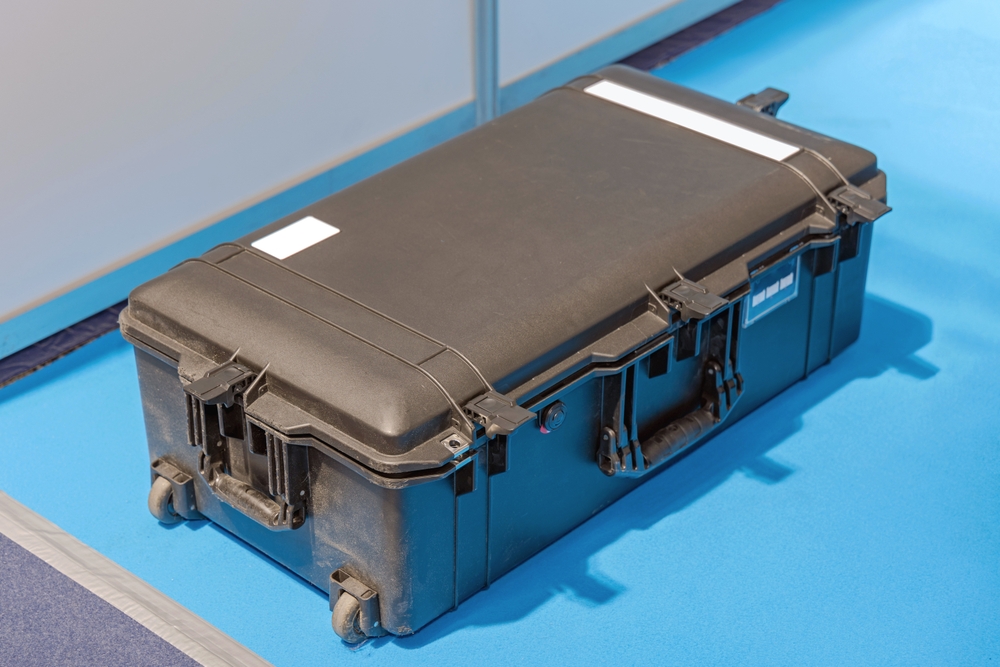
A sealed case keeps water and dust out, which is exactly what you want. But a sealed case can also trap moisture in, and that trapped moisture is what fogs a lens, corrodes a contact, or leaves a film on an optic. Plenty of people blame a leaky case for damage that was actually caused by condensation forming inside a perfectly good seal. This guide explains why that happens and how to stop it. The team at Optimal Cases and Lights Inc fields this question often, and the fixes are simple once you understand the cause.
Why condensation forms inside a closed case
Condensation is a temperature-and-humidity problem, not a leak. Air always holds some water vapour, and warmer air holds more. When you seal a case in warm, humid conditions and then move it somewhere cold, the trapped air cools, can no longer hold all its moisture, and that moisture condenses onto the coldest surfaces inside, usually your gear.
The usual triggers
The classic scenario is packing gear indoors and then moving the case outside into Alberta’s cold, or the reverse: bringing a cold case into a warm, humid room and opening it before it has warmed up. Air travel is another trigger, because both temperature and pressure change in the cargo hold. In every case the enemy is sealing humid air inside and then changing its temperature.
Desiccants: the first line of defence
A desiccant absorbs water vapour from the trapped air so there is less moisture available to condense. Silica-gel desiccants, such as the reusable Peli desiccant sized to work with sealed cases, sit inside the case and pull humidity out of the air. You can find them among case accessories including silica-gel desiccants.
Keep desiccants working
Silica gel saturates over time and then stops absorbing. Many desiccants are rechargeable: you dry them out, often in a low oven, and they are ready again. Check and refresh them on a schedule, because a saturated desiccant gives a false sense of security while doing nothing.
Pressure equalization valves and why they help
Most quality sealed cases, including the sealed Pelican Protector cases, include an automatic pressure equalization valve. Its main job is to balance air pressure across altitude and temperature changes so the lid opens easily, but it also lets the case breathe slightly rather than slamming pressure changes onto the seal. The valve is not a substitute for a desiccant; the two work together, the valve managing pressure and the desiccant managing moisture.
Smart habits that prevent the problem
Accessories help, but habits matter more.
Pack in dry, stable conditions
Seal the case where the air is driest and closest to the temperature the case will be used in. Packing gear in a dry indoor space is better than sealing a case in a humid garage or in the rain. The drier the air you trap, the less moisture there is to condense later.
Let gear acclimatize before opening
When a cold case comes into a warm room, resist opening it immediately. Let the whole case warm up first so the interior surfaces are no longer the coldest thing in the room. Opening a cold case into warm, humid air invites condensation onto your gear the moment the lid lifts.
Dry everything before it goes in
Never seal damp gear or a wet cloth inside a case. Any moisture you pack in is moisture that will redistribute onto your equipment. Wipe gear down and let it dry before the lid closes.
Putting it together
Controlling condensation is a layered approach: pack dry, use a maintained desiccant, let the case acclimatize before opening, and rely on the pressure valve to manage altitude and temperature swings. None of these steps is complicated, and together they keep a sealed case from becoming a humidity trap for the gear it is meant to protect. If condensation keeps turning up despite your best efforts, Optimal Cases and Lights Inc can point you to the right desiccant size and sealing accessories for your case.
Frequently Asked Questions
Why is there water inside my sealed case if it did not leak?
Because the case trapped humid air and then cooled. When warm, moist air inside a sealed case drops in temperature, it can no longer hold all its moisture and that moisture condenses on the coldest surfaces inside. It is condensation, not a leak.
How does a silica-gel desiccant help?
It absorbs water vapour from the trapped air, so there is less moisture available to condense onto your gear. Keep it effective by recharging or replacing it once it saturates, since a spent desiccant stops working.
What does the pressure equalization valve do about moisture?
Its main role is balancing air pressure during altitude and temperature changes so the case opens easily. It also lets the case breathe slightly, but it does not remove moisture, so you still need a desiccant and good packing habits.
Should I open a cold case as soon as I bring it indoors?
No. Let the whole case warm up to room temperature first. Opening a cold case into warm, humid air invites condensation to form on your gear the instant the lid lifts.
Can I pack gear in a humid space if I use a desiccant?
It is better to pack in dry, stable conditions whenever you can. A desiccant handles a reasonable amount of moisture, but sealing in a lot of humid air can overwhelm it. The drier the air you trap, the less work the desiccant has to do.