
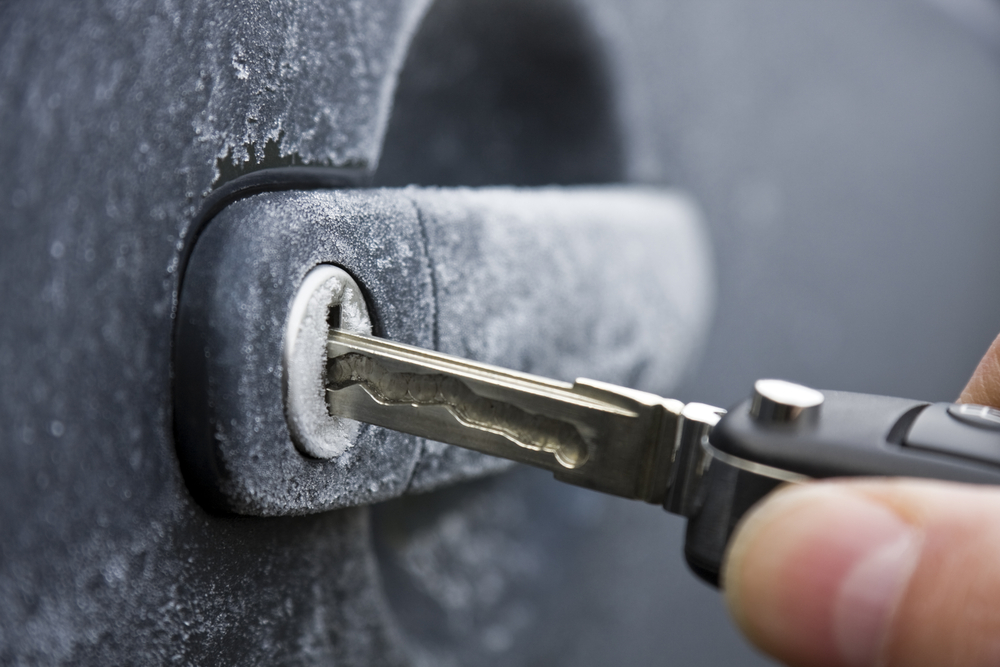
A car door that fights you is one of those problems drivers put off until it strands them. One morning the driver’s door ignores the fob, or the passenger side locks but will not open, and suddenly a small annoyance becomes a real one. The frustrating part is that three very different faults can produce almost identical symptoms. Knowing which one you are dealing with saves time, protects the rest of the door, and helps you describe the issue clearly when you call for help.
Your Key Maker Kanata sees this every week, and the good news is that most door-lock trouble follows recognizable patterns. Here is how to read the clues before anything gets worse.
Three Culprits That Look the Same
When a door will not lock or unlock properly, the fault almost always lives in one of three places: the lock cylinder you put a key into, the electric actuator that drives the latch, or the door hardware and alignment around them. Each fails differently, even though the outcome at the handle can feel identical.
The Lock Cylinder
The cylinder is the mechanical heart of a keyed door. When it wears, the key may turn roughly, stick halfway, or spin without engaging. Grit, dried-out lubricant, and years of Kanata winters all accelerate this. A worn cylinder usually gets gradually worse rather than failing overnight, so sticky, gritty turning is the tell.
The Door Lock Actuator
The actuator is the small electric motor that locks and unlocks the door when you press the fob or the interior switch. A failing actuator often announces itself with sound: a repeated clicking or whirring with no latch movement, or locks that cycle on their own. Sometimes one door stops responding to the fob while the key still works by hand. That split between electric and manual function is the classic actuator signature.
The Door and Latch Hardware
Sometimes the lock and actuator are fine and the real problem is the door itself. Sagging hinges, a misaligned striker, or a latch packed with debris can stop a door from securing even when every lock component works. If the door needs a hard slam to catch, or sits unevenly in the frame, suspect alignment before you replace parts.
Reading the Symptoms
A short mental checklist narrows things fast. Does the key turn smoothly but the fob does nothing on that door? Lean toward the actuator. Does the key itself feel gritty and resistant? Lean toward the cylinder. Does everything operate but the door will not stay shut or sits crooked? Look at the latch and alignment.
Pay attention to patterns, too. Cold-weather-only failures often point to moisture freezing inside the mechanism, while a problem that appears regardless of temperature is more likely mechanical wear or an electrical fault. One door misbehaving usually means a local part; all doors acting up at once can point to a central module, a fuse, or the fob itself.
Why a Proper Diagnosis Matters
Guessing wastes time and effort even when no money is involved. Replacing an actuator when the real issue is a dry cylinder leaves you back where you started, and forcing a stubborn key can snap it off inside the lock, turning a simple repair into an extraction job. A trained technician tests each element in order, confirming whether the fault is mechanical, electrical, or structural before touching a single component.
That methodical approach is the core of professional car door lock repair in Kanata, where the goal is to fix the actual cause rather than swap parts and hope. Because the work is mobile, the vehicle never needs a tow to a dealership to get looked at.
What You Can Safely Check Yourself
Before you call anyone, a few harmless checks can save a trip or at least sharpen the diagnosis. Try the key by hand on the affected door and note whether it turns. Test every door with the fob and then with the interior switch, listening for motor noise. Replace the fob battery if the whole car has grown unresponsive. Clear visible debris from the latch area and look for a door that no longer sits flush.
What you should not do is spray random lubricants into the cylinder, pry at the latch, or keep cycling a lock that is clearly jammed. Those steps tend to push the repair toward a bigger one.
When to Bring in a Professional
If the key no longer turns, if one door stays dead to both fob and switch, or if the door will not secure at all, it is time for hands that do this daily. Your Key Maker Kanata diagnoses the fault, sources the right hardware, and restores reliable locking, and for anything beyond a single door the broader automotive locksmith services cover key, lock, and ignition work on the same visit. Pricing is always provided as a quote after the technician assesses the vehicle, never guessed over the phone.
Frequently Asked Questions
Can a dead fob battery mimic a broken door lock?
Yes. A weak fob can leave doors unresponsive to remote locking while the physical key still works. Swapping the battery is a sensible first test before assuming the actuator has failed.
Why does only one of my doors ignore the fob?
A single unresponsive door usually points to that door’s own actuator or wiring rather than a central fault. When every door stops responding at once, the fob or a shared module is the more likely cause.
Is a sticky key lock an emergency?
Not immediately, but it is a warning. A gritty, resistant cylinder tends to worsen, and forcing it risks snapping the key inside. Having it serviced early keeps the repair small.
Can car door locks be repaired, or must they be replaced?
Often they can be repaired or cleaned rather than replaced, especially when the issue is caught early. A technician confirms which approach makes sense after inspecting the cylinder, actuator, and latch.
Do I need to visit a shop to get this fixed?
No. A mobile automotive locksmith can diagnose and repair most door-lock faults at your home or workplace in Kanata, so the car stays where it is.