
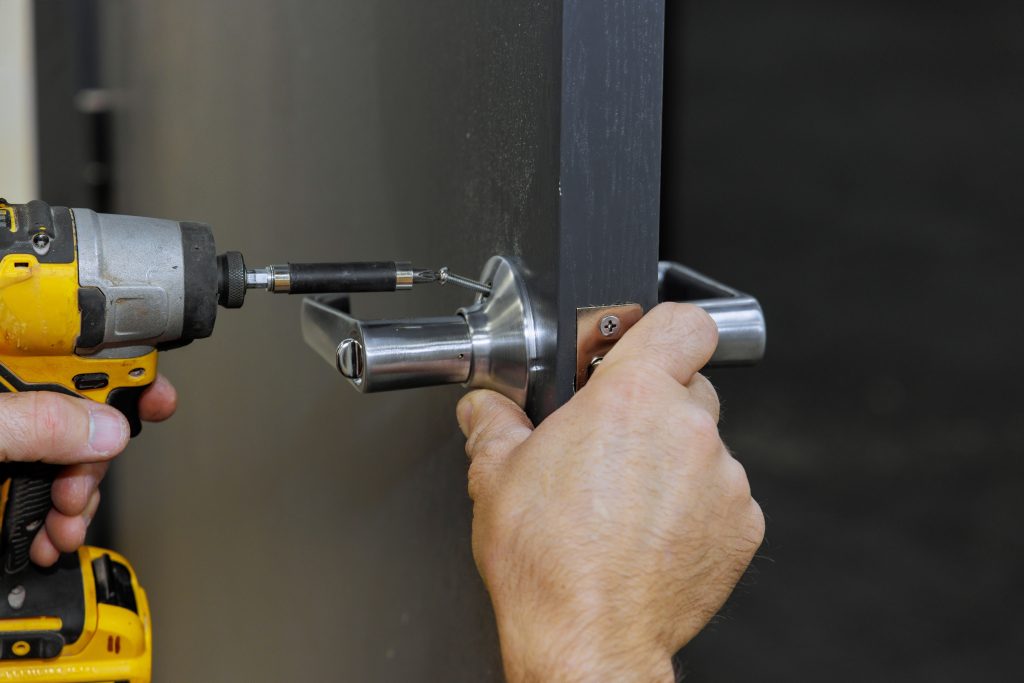
Keeping commercial locks reliable and secure is essential for every business. Over time, locks wear out, keys break, and security needs change. Instead of replacing an entire lock system, rebuilding and re-pinning the cylinder often offers the same result at a lower cost. We perform this service regularly for property managers, business owners, and maintenance teams across Ottawa. It allows them to maintain control over access while extending the lifespan of their existing hardware.
Understanding the Lock Cylinder
The cylinder is the heart of the locking mechanism. It holds the key pins and interacts with the key to release the latch. When it no longer works smoothly or keys begin to stick, it usually means the pins are worn, misaligned, or contaminated with debris. A cylinder rebuild restores its precision.
Rebuilding involves removing the cylinder, cleaning every component, replacing worn pins and springs, and reassembling it with a new key configuration. This process effectively renews the lock without replacing the entire unit. For businesses with multiple doors or master key systems, rebuilding can save significant time and cost compared to full replacement.
Why Re-Pinning Makes Sense for Businesses
Re-pinning a lock changes which key operates it. This is especially valuable when a tenant leaves, keys are lost, or an employee is dismissed. Rather than installing new locks across all entry points, we can re-pin the existing cylinders so old keys no longer function.
This process keeps your existing hardware in place while providing new security control. It also keeps the visual uniformity of the doors intact, which is important in commercial buildings where appearance matters. For example, a hotel or office complex can keep its aesthetic consistent while ensuring only authorized personnel have access.
Common Situations That Require Cylinder Rebuilding
Several situations lead businesses to request lock cylinder rebuilding. One common reason is excessive wear from frequent use. Commercial doors, especially in busy areas like storefronts or shared building entrances, experience thousands of key turns each year. The internal pins and springs wear down, leading to loose fits or keys that must be jiggled to work.
Another reason is contamination. Dust, grease, and corrosion can build up inside the lock. Rebuilding removes these particles completely instead of masking the problem with lubricants. A third reason is system modification. When businesses rekey multiple doors, we can rebuild cylinders to match new key schedules or integrate them into master key systems.
How Cylinder Rebuilding Works Step by Step
We start by removing the cylinder from the door hardware. Once it is out, we disassemble it carefully to avoid damaging small components. The key pins, springs, and driver pins are separated and inspected. Worn or deformed pins are replaced.
The next step is cleaning. A commercial-grade cleaner removes dirt, metal dust, and old lubricant. After drying, we measure the new pins to match the correct key code using a pinning chart. These measurements are extremely precise because even a fraction of a millimeter difference can cause a key to jam or fail.
After reassembling the cylinder, we test it multiple times with the new key. The lock should turn smoothly without resistance. The cylinder is then reinstalled in the hardware and secured. This process restores reliability while maintaining the original lock housing and faceplate.
Benefits of Rebuilding Instead of Replacing
Replacing locks across an entire facility can become expensive and disruptive. Rebuilding allows us to maintain most of the existing hardware, cutting down on material waste and installation time. It also lets businesses continue using the same type of keys or integrate new key codes into an existing master key plan.
The main advantage, however, is precision. A rebuilt cylinder feels and functions like new. It eliminates sticking keys, loose turns, and inconsistent locking. For high-traffic locations such as schools, hospitals, or retail stores, these small mechanical improvements prevent larger maintenance problems later on.
You can learn more about professional services for maintaining secure business entry systems at locksmith in Ottawa.
Maintaining Security Through Key Control
Even the strongest lock becomes vulnerable if key control is weak. Every time a key changes hands, there is potential risk. Re-pinning provides a fresh start by canceling all existing keys and creating a new set.
In multi-unit properties, this control is essential. Property managers can choose specific pin combinations for each tenant while keeping a master key that opens all units. When a tenant leaves, only that cylinder needs re-pinning. This approach keeps other units unaffected while ensuring old keys can no longer gain entry.
We often advise business owners to maintain a simple key log and label each cylinder in their system. It helps future maintenance go smoothly and ensures accurate record-keeping during re-pinning or rekeying work.
Tools and Materials Used in Cylinder Rebuilding
The tools required for this job are specialized but simple. A plug follower, pinning tweezers, a key gauge, and a pinning kit are the essentials. Commercial locksmiths keep these tools ready for on-site work.
High-quality replacement pins come in standardized sizes that match manufacturer specifications. Using cheap or mismatched pins can cause internal binding and shorten the lifespan of the lock. We use calibrated gauges to ensure accuracy.
Another often overlooked part is the spring. Weak or corroded springs affect how the pins return after key insertion. Replacing them during rebuilding ensures smooth operation.
Troubleshooting Common Cylinder Issues
When a key becomes difficult to insert or turn, many assume the lock needs oil. While a dry lock can cause friction, lubrication alone rarely solves deeper issues. It can even trap dust and worsen the problem. Rebuilding cleans the mechanism thoroughly instead of covering the symptom.
If a lock spins freely without engaging, the tailpiece or cam is likely disconnected from the cylinder core. In such cases, disassembly and realignment are necessary. When pins stick halfway, it can indicate bent key pins or contamination. Re-pinning and replacing these parts restore proper alignment.
We encourage routine inspection before failures happen. A cylinder that starts to show resistance or delay in turning often signals internal wear that will soon escalate into a complete jam.
Integrating Re-Pinned Locks into Master Key Systems
Many businesses rely on layered access control. For example, cleaning staff may have access to certain rooms but not to offices or storage areas. Re-pinning lets us modify the pin configuration to fit new master key patterns without replacing locks.
Each cylinder can be designed to accept one or more levels of keys. This flexibility allows gradual expansion of a key hierarchy as a company grows. We often recommend reviewing the key structure every few years to ensure it still matches operational needs.
Preventive Maintenance Tips for Commercial Locks
Maintaining cylinders properly can double their service life. A few simple habits make a significant difference. Use dry graphite powder instead of oil for lubrication. It keeps the mechanism smooth without trapping debris. Clean keys regularly to avoid transferring dirt inside the lock.
Avoid forcing a key that does not turn easily. Doing so can bend pins or break the key tip. When employees report resistance, schedule immediate inspection rather than waiting for a failure.
It is also helpful to label each lock during installation. A simple system using letters or numbers makes tracking and servicing faster. Documentation helps when coordinating with maintenance teams or external locksmiths for future work.
Managing Large Commercial Key Systems
For buildings with dozens or hundreds of locks, organization is essential. During a re-pinning project, we often recommend creating a key chart that lists every cylinder, its pin code, and its assigned key holders. This document should be kept in a secure location and updated whenever keys are issued or returned.
When managed properly, a re-pinned lock system provides flexibility and control. Businesses can change access rights quickly and keep master key integrity intact. Rebuilding services can be performed on-site after business hours to avoid interrupting daily operations.
Safety Considerations During Rebuilding
Rebuilding involves handling small parts and precision tools. Proper safety practices protect both the technician and the lock hardware. Wearing eye protection prevents injury from spring-loaded parts. Using a stable surface for disassembly ensures no components are lost.
It is also important to check local building and fire codes before modifying any exit door hardware. Certain commercial doors must meet safety standards that dictate how locks operate in emergencies. We make sure every rebuilt cylinder maintains compliance.
The Value of Professional Expertise
While re-pinning kits are available online, commercial cylinders require expert handling. Incorrect pinning can damage the plug or compromise security. Each manufacturer has unique specifications for pin size, spring tension, and keyway design.
Professional locksmiths also identify when a lock is beyond repair. Sometimes a corroded housing or damaged plug makes rebuilding unsafe. In those cases, we recommend replacement. Knowing when to rebuild and when to replace saves time and avoids unnecessary risk.
If you need to arrange an inspection, request a service call, or get a quote for commercial lock cylinder work, simply contact us.
Frequently Asked Questions
How long does it take to rebuild a lock cylinder?
Most standard commercial cylinders take about 20 to 40 minutes to rebuild. Complex master key systems may take longer depending on the configuration.
Can I rekey all my locks to one key?
Yes, as long as the locks are compatible. We can re-pin multiple cylinders to match one key, simplifying access for business owners or managers.
What if a lock is too old to rebuild?
When the cylinder body or plug is cracked, corroded, or obsolete, rebuilding may not restore full function. In those cases, replacement is the best option.
How often should commercial locks be serviced?
It depends on use and environment. High-traffic doors benefit from inspection every six to twelve months. Preventive maintenance avoids costly emergencies.
Will rebuilding affect my fire door certification?
If the rebuild follows the manufacturer’s design and the hardware remains compliant, certification is not affected. We always check code requirements before performing any modification.