
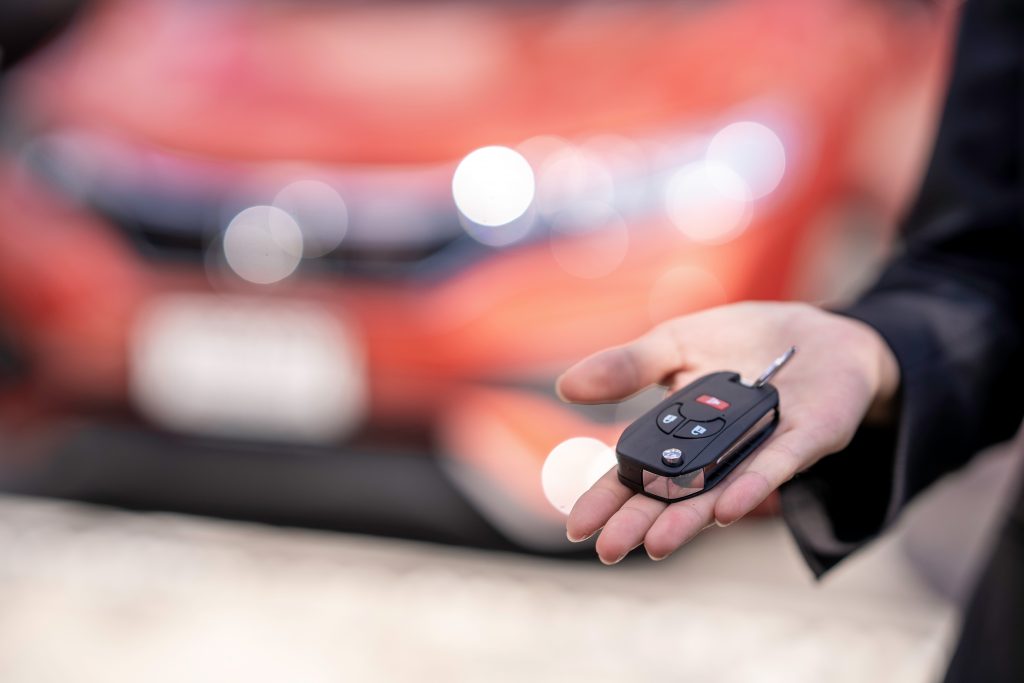
Modern vehicles use complex security systems that go far beyond the simple metal keys of the past. When a car key is lost, damaged, or stops working, replacing or programming a new one is no longer a quick trip to a hardware store. It requires specialized knowledge, diagnostic tools, and precise programming. As an automotive locksmith in Calgary, we handle this process daily, helping drivers get back on the road safely and efficiently.
Understanding how car key programming works can help car owners make better decisions, avoid unnecessary costs, and recognize the value of proper key servicing.
Understanding Modern Car Key Technology
Car keys today do more than just turn an ignition. They communicate with a car’s onboard computer through coded signals that confirm the key’s authenticity. This system prevents theft by ensuring that only correctly programmed keys can start the vehicle.
There are three main types of modern car keys: transponder keys, remote keys, and smart keys. Each type works differently but shares a common principle: the vehicle and the key exchange encrypted information that allows access and ignition.
Transponder keys contain a microchip inside the plastic head of the key. When inserted into the ignition, it sends a signal to the vehicle’s immobilizer system. If the codes match, the car starts. Remote keys add wireless locking and unlocking functions. Smart keys, often called keyless entry fobs, use proximity sensors and push-start systems, allowing drivers to start the car without inserting the key at all.
Every new generation of keys increases convenience but also adds layers of electronic security, which is why professional programming is essential.
The Role of an Automotive Locksmith
Many people assume that only a dealership can program or replace modern car keys, but experienced automotive locksmiths offer the same service with faster turnaround and often at a lower cost.
Our role begins with understanding the specific key system your vehicle uses. Different manufacturers use different encryption methods, and even within the same brand, systems can vary by model year. This means programming a key is not a one-size-fits-all task.
Automotive locksmiths use diagnostic tools that connect directly to the car’s onboard computer. These tools allow us to read immobilizer data, erase old keys from the system, and register new ones securely. We also handle mechanical key cutting when a physical key blade is required.
Unlike general locksmiths, we specialize in vehicles, combining mechanical precision with electronic expertise. This allows us to handle everything from classic cars with chip keys to the latest push-start vehicles.
How the Programming Process Works
The process of programming a new car key depends on the type of key and the make and model of the vehicle. However, the general steps follow a clear structure.
First, we identify the exact key type and system your car uses. Once confirmed, we connect our diagnostic device to the car’s OBD port, which provides access to the vehicle’s immobilizer system. This system verifies that the new key or fob can be paired correctly.
For transponder keys, we write the correct code sequence into the key’s chip, synchronizing it with the vehicle’s data. For remote and smart keys, the process often involves multiple steps, including pairing the remote functions and programming proximity settings for keyless entry.
In some cases, vehicles require security codes or PINs that are unique to each model. We obtain this information securely and follow manufacturer-approved methods to ensure full functionality without compromising your car’s warranty or security.
The entire process can take anywhere from 15 minutes to over an hour, depending on the complexity of the vehicle system and the number of keys being programmed.
Why Proper Programming Matters
A poorly programmed or cloned key can cause significant issues over time. If the codes do not match exactly, the car may fail to start, or the immobilizer may trigger unexpectedly. In advanced systems, incorrect programming can even disable certain features such as remote locking, alarm activation, or proximity start.
Proper programming ensures synchronization between the key, immobilizer, and car computer. It also guarantees that lost or stolen keys are removed from the system, preventing unauthorized access.
For vehicles equipped with advanced anti-theft technology, reprogramming is not just about convenience but about maintaining security. A correctly programmed key protects both your car and personal data stored in connected vehicle systems.
Tools Used in Car Key Programming
Modern locksmiths rely on specialized diagnostic and coding equipment. These tools interface with a wide range of vehicle systems, from domestic brands to European and Asian imports.
A professional key programmer can read immobilizer codes, retrieve PINs, and perform EEPROM (Electrically Erasable Programmable Read-Only Memory) operations for high-security models. EEPROM programming involves reading and writing data directly from the vehicle’s memory chip, which is sometimes necessary when standard OBD access is restricted.
We also use key cloning devices for specific models where it is safe and secure to duplicate existing keys without accessing the immobilizer. However, cloning is limited and not suitable for all vehicles, particularly those with rolling code systems that change encryption with each use.
Using the correct tool for the right system avoids unnecessary risk, ensuring the key functions perfectly without triggering error codes or immobilizer faults.
The Difference Between Dealership and Locksmith Programming
Dealerships often rely on centralized systems and manufacturer-authorized software. While their equipment is designed for precision, their processes can be slow and costly. Appointments may take days, and service hours are limited.
Automotive locksmiths offer mobile service, bringing the equipment directly to the car’s location. This means that if a driver loses their only key or gets locked out, we can program and cut a new key on the spot.
Another advantage is flexibility. Locksmiths can often work on multiple brands and models, whereas dealerships focus only on their own. With proper certification and tools, locksmiths achieve the same level of programming accuracy, meeting security standards while offering more practical convenience.
Common Situations Requiring Key Programming
Key programming becomes necessary in several situations. The most common is when a key is lost or stolen. In this case, we erase all previous keys from the car’s memory and program new ones to ensure security.
Other situations include replacing a damaged key fob, adding an extra key for a new driver, or dealing with software resets after battery disconnection. Sometimes, key programming is required after an ignition replacement or ECU (Engine Control Unit) change.
Even if your key still works mechanically but the remote buttons stop responding, reprogramming may solve the problem without needing full replacement. Knowing when to call a locksmith saves both time and money.
Preventing Key Programming Issues
A few precautions can help prevent the need for emergency reprogramming. Always keep at least two working keys. Many people lose their only key and face unnecessary stress because they never made a spare.
Avoid exposing key fobs to water, extreme heat, or magnetic fields, as these can damage the chip inside. Store spare keys in a secure but accessible location, not inside the car. If you buy a used vehicle, have the keys reprogrammed immediately to remove any unknown copies that may still work.
When a new key stops working, do not try to force it or reset the system using online tutorials. Vehicle electronics are sensitive, and incorrect actions can lead to expensive damage. Professional equipment ensures that programming follows manufacturer standards.
The Future of Car Key Technology
Car key systems continue to evolve. Many new vehicles now integrate smartphone-based entry and biometric authentication. Digital keys use apps that connect securely to the vehicle through encrypted cloud services, offering remote control functions.
While these technologies improve convenience, they also require higher expertise when servicing or reprogramming. As systems become more connected, locksmiths must stay updated with the latest software and diagnostic methods.
In the near future, traditional key cutting may disappear entirely. Yet, the need for professional locksmiths will remain because even the most advanced systems still require secure access management and authorized configuration.
When to Call a Professional
If your car key is lost, damaged, or no longer recognized by your vehicle, programming a new one is not a do-it-yourself task. A certified automotive locksmith has the right tools to pair your key safely without causing electronic faults.
Professional service ensures that only valid keys are active in the system and that all old codes are removed. It also protects against system corruption that can occur when using low-quality devices.
For help with any vehicle key issue, you can contact us for advice or on-site programming. We provide clear information about the process before beginning any work so you understand what to expect.
FAQ
1. Can I program a car key myself?
In most cases, no. Modern keys require specialized tools and security codes that are not available to the public. Attempting to program them without the correct equipment can damage the vehicle’s system.
2. How long does it take to program a new key?
It varies by make and model. Simple transponder keys may take 15 to 30 minutes, while smart keys can take up to an hour or more.
3. Is it cheaper to use a locksmith than a dealership?
Generally, yes. Locksmiths have similar equipment and training but operate with more flexibility, allowing faster service without dealership overhead costs.
4. Can a locksmith program any car key?
Most modern locksmiths can handle keys for nearly all brands, including high-end vehicles, but rare models or specialized European systems may require dealership programming.
5. What if I lost all my keys?
A locksmith can still create and program a new key even if none exist. We access the vehicle’s system securely, erase old key codes, and register new ones for full functionality.