
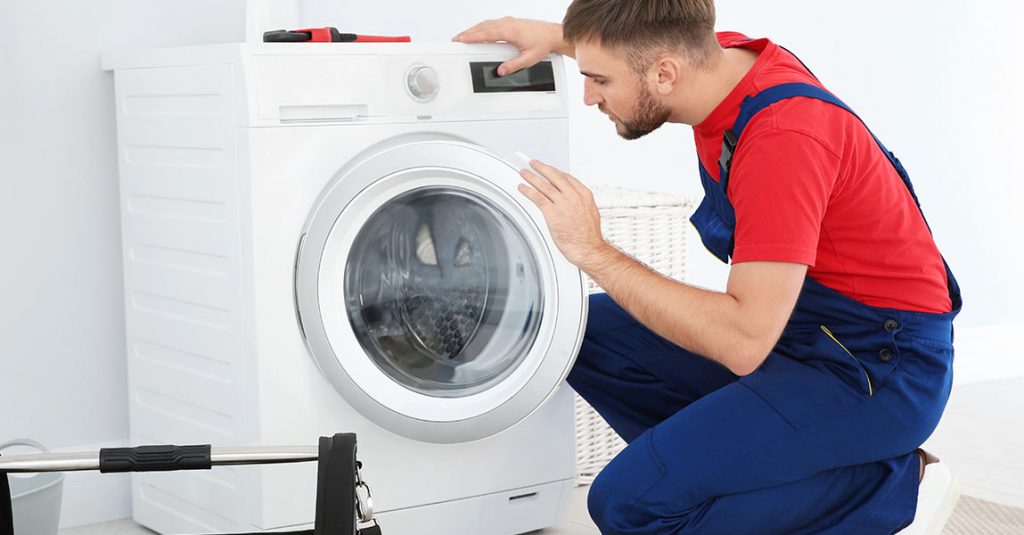
Our home appliances make daily life easier, but they are also some of the most expensive items we own. Taking a few simple steps can greatly extend their lifespan, saving money on replacements and reducing the need for frequent repairs. With a bit of care and attention, your appliances can continue to work efficiently for years.
Keep Appliances Clean Inside and Out
Regular cleaning is one of the simplest ways to protect your appliances. Dirt, grease, and detergent residue can build up over time, forcing parts to work harder than they should. Wiping down surfaces weekly and cleaning filters or trays prevents this.
For refrigerators, cleaning the condenser coils at least twice a year keeps the compressor from overheating. A quick vacuum or brush behind the unit is usually enough. In ovens, spills that are not cleaned immediately can harden and damage heating elements. Using a damp cloth after each use is far better than waiting for a major buildup.
Washing machines and dishwashers also benefit from cleaning cycles. Run a hot empty cycle with vinegar or a cleaning tablet every month to prevent mold and soap buildup. These small habits help machines run efficiently and reduce odor.
Avoid Overloading
It might be tempting to fit in a few extra clothes or dishes, but overloading can cause mechanical strain. For washing machines, it affects the balance and puts pressure on the drum and bearings. For dishwashers, it blocks spray arms and prevents water from circulating properly.
Instead of saving time, overloading often leads to breakdowns. Running two smaller loads is easier on the machine and produces cleaner results. The same applies to dryers and ovens. Leaving space for air and heat circulation ensures even performance and less wear.
Use Appliances as Intended
Each appliance has limits built into its design. Using them outside those limits can lead to early failure. Microwaves, for example, should never be run empty, as this can burn out the magnetron. Refrigerators should not be placed too close to walls, because restricted airflow makes them work harder to stay cool.
It’s also important to use the correct settings. Choosing the right cycle on washers and dryers not only protects clothing but also reduces mechanical stress. If an appliance starts to make new or unusual noises, it’s best to stop and investigate rather than ignore it. A small adjustment early can prevent a major repair later.
Watch for Signs of Wear
Appliances often give early warnings before breaking down. Strange noises, longer cycle times, leaks, or overheating are signs that something needs attention. Catching these issues early can prevent a complete breakdown.
For example, if your refrigerator cycles more often than normal, it might be a dirty coil or worn door seal. A washing machine that shakes excessively could simply need to be leveled. Paying attention to these small signs can prevent costly damage to motors or compressors.
When a professional inspection is needed, it’s worth contacting reliable appliance repair services in Edmonton for a quick checkup. Regular maintenance by experienced technicians can add years to your appliances and ensure they continue to run safely and efficiently.
Mind the Power Supply
Power surges can cause serious damage to appliances. Using surge protectors for electronics like microwaves, washing machines, or fridges can prevent sudden electrical spikes from burning circuits. It’s also smart to unplug small appliances when not in use, especially in older homes where wiring may not be perfectly stable.
If lights flicker or circuit breakers trip often, it’s a sign that your home’s electrical load might be too high. Having an electrician assess the system can prevent long-term damage to appliances that rely on consistent voltage.
Maintain Proper Ventilation
Airflow is critical for most large appliances. Refrigerators, ovens, dryers, and even dishwashers need space for heat to escape. When vents or coils are blocked by dust or furniture, the system works harder, increasing energy use and shortening lifespan.
Dryer vents in particular should be cleaned at least once a year. Lint buildup not only affects performance but can also pose a fire risk. Vacuuming the vent hose or using a vent brush is usually enough. For refrigerators, keeping a few inches of space around the unit helps maintain steady cooling.
Balance and Leveling Matter
Uneven surfaces can cause long-term strain. Washing machines that are not level may shake violently during spin cycles, wearing out the drum and suspension. Refrigerators placed on uneven floors might cause the compressor to work inefficiently.
Using a level and adjusting the feet is a simple fix that can make a big difference. It ensures smooth operation, quieter performance, and better longevity.
Don’t Ignore Filters and Gaskets
Filters and gaskets are often overlooked, but they protect key components. Refrigerator door seals should be wiped regularly to keep them airtight. A worn or dirty seal lets cool air escape, forcing the compressor to work harder.
Similarly, filters in dryers, dishwashers, and washing machines need to be cleaned regularly. A clogged lint filter in a dryer increases drying time and raises the risk of overheating. Dishwasher filters trap food particles that can block water flow. Cleaning these parts every few weeks keeps everything running efficiently.
Use the Right Detergent and Amount
Using too much detergent or the wrong kind can harm your appliances. High-efficiency washing machines, for example, require low-sudsing detergents. Using regular soap creates excess foam that can lead to residue buildup and mold.
Measuring detergent according to the manufacturer’s instructions helps avoid residue that can clog internal parts. It also saves money and reduces water waste since the machine doesn’t need to rinse out extra soap.
Check Hoses and Connections
Many breakdowns happen because of worn or loose hoses. Washing machines and dishwashers rely on steady water flow, and a small leak can become a major issue if ignored. Inspect hoses every few months for cracks or bulges. If you see any damage, replacing them immediately prevents flooding and water damage.
Stainless steel braided hoses are a better long-term option than rubber ones, as they resist cracking and wear. Tightening connections by hand (not with tools) is usually enough to keep them secure without over-tightening.
Defrost and De-Scale When Needed
Appliances that use water or cold air need regular defrosting or descaling. Freezers that build up thick ice layers lose efficiency, as frost acts as insulation that blocks proper cooling. Manually defrosting once or twice a year keeps temperatures stable and saves energy.
For kettles, coffee machines, or washing machines, limescale buildup can shorten lifespan. Using a descaling solution or vinegar regularly prevents mineral deposits from blocking heating elements and pipes.
Use Appliances at the Right Time
Heavy appliances like dryers and dishwashers can benefit from timing. Running them during off-peak hours can reduce strain on the electrical grid and sometimes save on energy costs. Letting them rest between cycles also helps prevent overheating.
Avoiding back-to-back loads gives motors time to cool. This is especially helpful for dryers and washing machines that handle moisture and heat. A short pause between cycles can make a noticeable difference in performance over time.
Schedule Professional Maintenance
Even with careful use, appliances benefit from periodic professional care. Technicians can spot early signs of wear that might not be obvious. They can tighten connections, check wiring, and clean internal components safely.
A yearly inspection for major appliances like refrigerators, washers, and dryers can prevent sudden breakdowns. When problems do appear, it’s important not to delay repairs. Small issues can quickly grow into expensive failures. If you need assistance or want to schedule a checkup, you can contact us for help. Regular service is often far cheaper than replacing an entire appliance.
Replace Parts, Not the Whole Unit
Many people replace appliances prematurely when a single component could have been fixed. Motors, belts, sensors, and seals are all replaceable. Repairing these parts keeps appliances running longer and reduces waste.
Before deciding to buy a new machine, consider whether a professional evaluation could save it. Often, technicians can repair the issue for a fraction of the replacement cost. Proper care and part replacement can easily add five or more years to an appliance’s life.
Keep an Eye on Energy Efficiency
Older appliances tend to use more energy over time, especially if they haven’t been maintained. Monitoring energy bills can help identify when a unit is struggling. If the refrigerator or dryer suddenly costs more to run, it may be due to a clogged filter, a dirty coil, or a weak component.
Simple maintenance can restore efficiency. For example, replacing a worn door seal can cut refrigerator energy use by up to ten percent. Small fixes like this not only extend lifespan but also save on utility costs each month.
FAQ
How often should I clean my refrigerator coils?
Cleaning coils every six months is enough for most households. If you have pets or a dusty home, consider doing it every three months.
Can I use vinegar to clean all my appliances?
Vinegar works well for removing residue in washing machines, dishwashers, and kettles, but avoid using it on rubber seals or electronic panels.
What’s the best way to know when an appliance needs professional service?
Unusual noises, leaks, odors, or increased energy use are clear signs that something is wrong. When in doubt, have a technician inspect it before further damage occurs.
Is it worth repairing an older appliance?
If the repair costs less than half the price of a new model and the appliance has no major efficiency issues, repair is usually the smarter choice.
How can I make my dryer last longer?
Clean the lint filter after every use, clear the vent line once a year, and avoid running consecutive cycles to allow the motor to cool.
With regular care, attention, and occasional professional help, every appliance in your home can stay dependable for many years. Routine maintenance prevents breakdowns, keeps performance steady, and saves you from the stress and expense of unexpected replacements.