
Living in a city like Calgary has its advantages, but peace and quiet are not always among them. Whether it’s traffic from nearby roads, construction work, or neighbors’ activity, unwanted noise can easily find its way inside. Modern window technology offers effective ways to reduce that noise, helping us create a calmer and more comfortable living space. By understanding how sound travels and how window design affects it, we can make smarter choices that improve the overall quality of life at home.
How Sound Enters the Home
Noise travels through air, solid materials, and even small gaps. In many homes, windows are one of the weakest points when it comes to sound insulation. The glass, frame, and seals can all allow vibrations to pass through if they are not properly designed or maintained. Older windows, especially single-pane ones, do little to block exterior sounds. Even if the glass is intact, small air leaks around the frame or worn-out seals can act as channels for outside noise.
Understanding this basic principle helps explain why upgrading windows can make such a difference. Soundproofing is not about completely blocking all noise—it’s about reducing the transmission of certain frequencies and lowering the overall sound level that enters the home.
The Role of Glass in Noise Reduction
One of the most important elements in soundproofing windows is the glass itself. Traditional single-pane windows offer almost no barrier against outdoor noise. Modern designs use multiple layers of glass with air or gas-filled spaces between them. This setup creates a physical and acoustic barrier that disrupts the path of sound waves.
Thicker glass and asymmetrical panes can help too. When two panes of different thicknesses are used, they prevent sound waves from resonating at the same frequency on both sides of the window. This significantly improves sound insulation. Laminated glass is another excellent option because it includes a special plastic layer that absorbs vibrations. It not only reduces noise but also adds safety and UV protection.
If noise reduction is a top priority, we can combine laminated glass with double or triple glazing for even better results. These advanced window systems are particularly effective in homes located near highways, train tracks, or airports.
Frame Material and Its Impact on Sound
While glass plays a major role, the frame material also affects noise control. Frames made from vinyl or fiberglass tend to perform better than aluminum ones because they transmit less vibration. Vinyl frames, when properly insulated, provide excellent sound damping while maintaining energy efficiency.
Another often overlooked factor is the design of the window itself. Casement and fixed windows tend to seal more tightly than sliding or single-hung types, making them better at blocking sound. Compression seals used in casement windows can create a nearly airtight barrier when closed, reducing the flow of air and sound through the frame.
When choosing materials, it’s worth remembering that thermal performance and acoustic insulation often go hand in hand. A well-insulated window will typically offer better sound reduction as well.
The Importance of Proper Installation
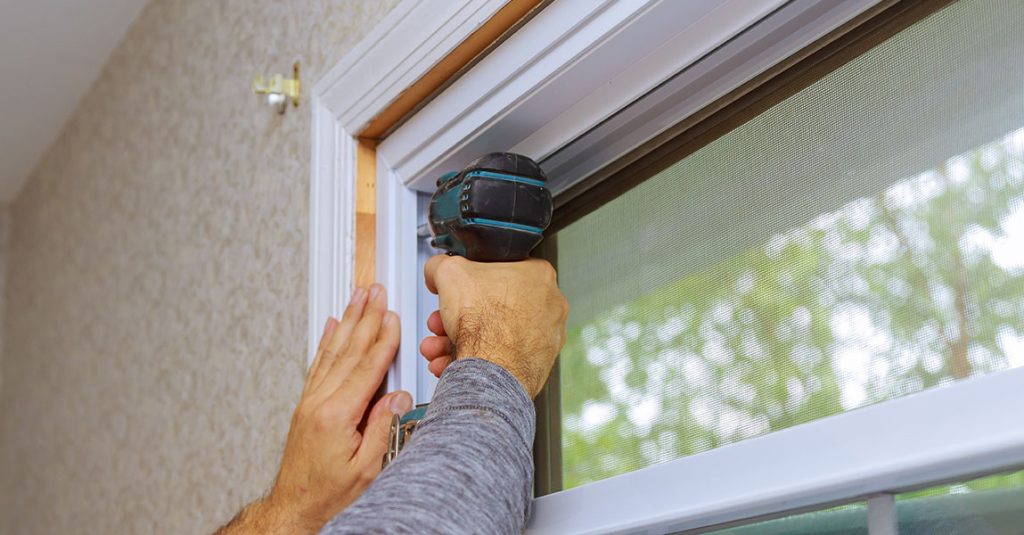
Even the best windows cannot perform well if installed incorrectly. Gaps, poor sealing, and misalignment can easily allow noise to leak through. Proper installation ensures the frame fits tightly into the wall opening, with the right insulation around it. Expanding foam or acoustic sealant should be used to fill any small voids between the frame and wall.
During installation, we also need to consider how the window interacts with the wall structure. A rigid or poorly insulated joint can transfer vibrations directly into the wall, defeating the purpose of soundproofing. Working with professionals who understand both acoustic and thermal insulation is key to getting the best results.
For residents looking to upgrade to quieter, more efficient living spaces, windows replacement in Calgary can be one of the most effective improvements to consider.
How Weatherstripping Helps Silence Drafts and Noise
Weatherstripping might seem like a minor detail, but it has a big impact on both comfort and sound control. Over time, seals around windows can harden, shrink, or crack, leaving gaps where air and noise can pass through. Replacing worn-out weatherstripping with modern, flexible materials restores the tight seal and reduces sound leakage.
Different types of weatherstripping are available depending on the window style. Compression seals work well for casement and awning windows, while V-strips or adhesive-backed foam are useful for sliding types. When installed correctly, they also improve energy efficiency by keeping heat in during winter and out during summer.
Checking these seals regularly ensures that the acoustic barrier remains effective for years.
The Advantage of Insulated Window Spacers
Spacers, which separate the panes of glass in double or triple glazing, also influence sound insulation. Metal spacers can carry vibrations easily, reducing the effectiveness of the entire system. Newer “warm-edge” spacers made from composite materials or foam minimize this effect by dampening vibrations and improving overall energy efficiency.
While this may seem like a small detail, every layer of sound protection adds up. High-quality spacers combined with laminated or asymmetrical glass can make a noticeable difference in reducing unwanted noise.
Managing Air Leaks and Secondary Noise Paths
Sometimes, noise problems persist even after installing modern windows. The reason is often air leaks or secondary transmission paths through walls, vents, or gaps around the frames. Conducting a thorough inspection can reveal where sound is entering.
We can use acoustic caulking around window edges to seal small cracks, or add interior window inserts for extra noise reduction. These inserts are transparent acrylic or glass panels that fit inside the existing frame, creating an additional air layer that traps sound.
In rooms that face busy streets, pairing upgraded windows with heavier curtains or acoustic blinds adds another layer of absorption, helping to create a calmer environment.
Balancing Noise Reduction with Ventilation
While sealed windows are great for keeping noise out, they can also limit fresh air flow. Finding a balance between quiet and ventilation is important for maintaining good indoor air quality.
Trickle vents designed with acoustic filters allow some airflow without significantly increasing noise. Alternatively, we can use ventilation systems that supply fresh air through insulated ducts, keeping the space quiet while ensuring proper circulation.
By thinking about air movement and sound control together, we can create homes that are both peaceful and healthy to live in.
Evaluating the Real Benefits of Soundproof Windows
The goal of noise-reducing windows is not absolute silence but a significant drop in disturbing sounds. Most homeowners notice that after upgrading, outdoor noise becomes less sharp and more distant, allowing them to sleep better, concentrate, or simply relax.
It also helps improve overall energy efficiency and security. Soundproof windows tend to have thicker glass, better seals, and stronger frames, which contribute to insulation and durability. While the initial cost may be higher than standard models, the long-term comfort and reduced stress levels often justify the investment.
Understanding the specific sources of noise around the home can guide our decisions. For instance, low-frequency traffic noise requires thicker laminated glass, while high-pitched sounds like voices or birds are better blocked by multi-pane designs with wider air gaps.
When to Consider a Professional Assessment
Before replacing windows, it’s useful to have an acoustic evaluation. Professionals can measure the current sound levels and identify weak points. Sometimes, simple improvements such as sealing leaks or adding secondary glazing can solve the problem without full replacement.
However, when the window structure itself is old or poorly insulated, replacement becomes the more effective option. A professional installer can recommend specific glazing thicknesses, gas fills, and frame designs suitable for Calgary’s climate and noise conditions.
For personalized advice or to start planning an upgrade, you can contact us to discuss the most effective solutions for your home.
Practical Tips to Maximize Noise Reduction
A few small adjustments can enhance the performance of modern windows even further. Keeping window locks engaged improves the seal between sash and frame. Regularly cleaning the tracks ensures debris doesn’t interfere with closure. Installing thick drapes or layered blinds complements the acoustic insulation, especially in bedrooms or living rooms.
If a room faces a particularly noisy direction, rearranging furniture can also help. Placing bookshelves or wardrobes along the shared wall adds mass, reducing sound transmission. These combined measures often produce noticeable improvements without requiring major construction.
By addressing both structural and lifestyle factors, we can achieve a much quieter indoor environment that feels truly separate from the outside world.
FAQ
1. What type of window is best for reducing noise?
Double or triple-pane windows with laminated glass provide the best overall noise reduction. The combination of multiple layers and a sound-dampening interlayer blocks a wide range of frequencies.
2. Do thicker windows always mean better sound insulation?
Not necessarily. Using glass panes of different thicknesses is often more effective than uniform thickness. This prevents sound waves from resonating through both panes simultaneously.
3. Can new windows completely eliminate outdoor noise?
No window can block all noise, but modern designs can significantly reduce it. The goal is to minimize disturbing sounds to a level where they are no longer intrusive.
4. How can I tell if my windows are leaking sound?
If you can hear outdoor conversations clearly or notice drafts, it’s a sign that air and sound are entering through gaps. Standing near the window during heavy traffic can also reveal weak points.
5. Is it worth replacing windows just for noise reduction?
Yes, especially if external noise affects sleep or concentration. Modern replacements improve both comfort and energy efficiency, offering long-term benefits beyond sound control.