
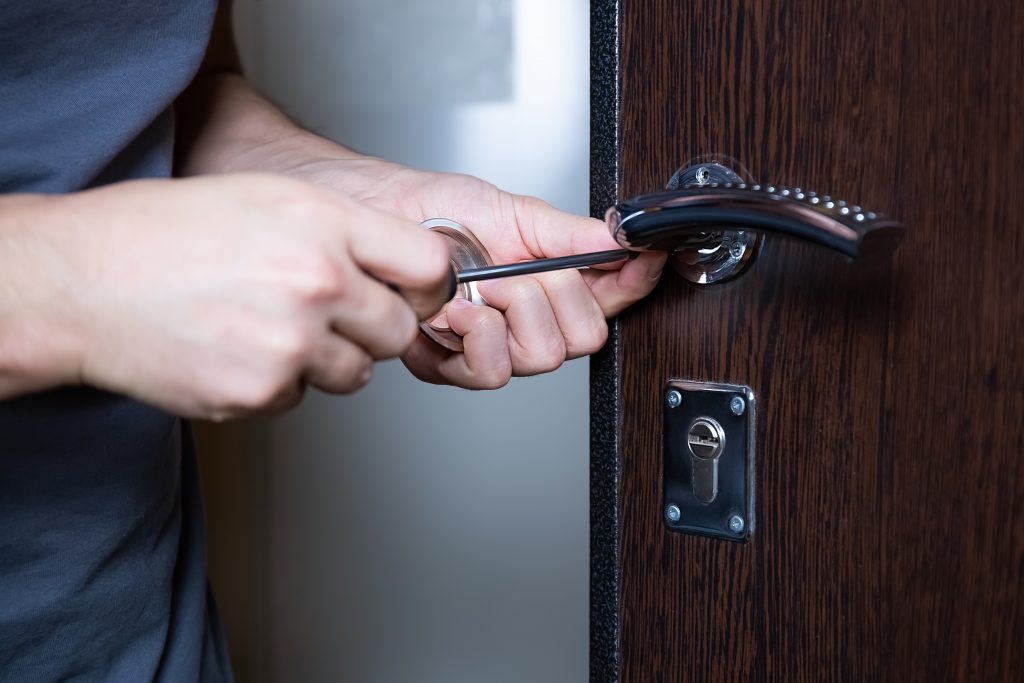
Moving into a new home is exciting, but it also comes with a long list of responsibilities. One of the first steps many homeowners overlook is securing the property by rekeying their locks. Rekeying is one of the simplest and most cost-effective ways to make sure no one else has access to your new home. We often meet people who move in assuming the old keys are safe, only to realize later that several copies might still be in circulation.
Why Rekeying Matters for New Homeowners
When you take ownership of a house, you inherit more than just the walls and furniture left behind. You also inherit its history, including the keys that may have been shared with family members, contractors, neighbors, or cleaning staff. Rekeying changes the internal mechanism of your locks so that only new keys will work, without needing to replace the entire hardware.
It is a quick and affordable process, but it has a major impact on home security. Many of us focus on big purchases like cameras or alarm systems, while the lock on the front door still matches the one used by the previous owner. Rekeying immediately gives you control and peace of mind.
If you just moved and need guidance on local professionals, you can start by visiting locksmith in Kanata to understand available options and typical service details.
The Difference Between Rekeying and Replacing Locks
Many homeowners think they need to replace every lock to feel secure, but rekeying is often the smarter first step. Rekeying keeps your existing locks but alters the pin structure inside so old keys no longer work. The locksmith provides a new set of keys matched to the updated configuration.
Replacement, on the other hand, involves removing the entire lock and installing a new one. It is necessary only if the locks are damaged, outdated, or incompatible with your preferred security level.
We usually suggest rekeying after a move because it maintains the style and function of your current locks while securing your home. It is also faster, more affordable, and environmentally responsible since it reuses existing hardware.
When to Rekey After Moving
It is best to rekey as soon as possible after closing the deal. Even if the previous owner assures you that all keys were handed over, there is no way to know for sure. Many properties go through multiple hands before you receive the keys—real estate agents, inspectors, maintenance workers, and sometimes short-term tenants.
Rekeying right away ensures that your family is the only one with access. If you are renovating before moving in, rekeying should be done after all contractors and cleaners finish their work. It prevents them from returning once the job is complete.
You can also schedule a second rekeying session later if you plan to rent out a part of your property or give access to someone temporarily. It is a simple security refresh that costs far less than replacing a full lock system.
The Process of Rekeying a Home
Rekeying might sound technical, but for an experienced locksmith it is a straightforward process. The main steps usually include:
- Inspecting the locks to confirm they are in good condition.
- Removing the lock cylinder from each door.
- Replacing the internal pins with a new combination.
- Testing the new keys to ensure smooth operation.
A professional locksmith will also check door alignment and latch function during the process. It is important that the lock operates smoothly after rekeying because misaligned latches can reduce security or cause jamming.
We often recommend keeping a spare key hidden in a secure place after rekeying. This prevents lockouts if one of your new keys is misplaced during the busy moving process.
Cost and Time Considerations
Rekeying is generally more affordable than replacing locks. The cost depends on the number of locks, their brand, and whether they are keyed alike (using one key for multiple doors) or separately.
For a typical Kanata home with two or three exterior doors, rekeying often takes about an hour or less. Many locksmiths can rekey multiple locks to work with a single key, which simplifies daily life and reduces the risk of losing track of multiple keys.
While the price of rekeying may vary slightly, it is almost always cheaper than purchasing and installing new locksets. The savings can be used for other home improvements or safety upgrades, such as door reinforcement plates or smart lock conversions later on.
Rekeying as Part of a Security Routine
Rekeying is not only for new homeowners. It is also useful whenever you lose keys, change tenants, or experience a break-in attempt. Treat it as part of a broader home security plan.
Over time, locks can wear down or become misaligned due to shifting doors or weather changes. If you notice that your key sticks or the lock feels loose, it might be a good opportunity to have it checked. During a rekeying visit, a locksmith can inspect the entire locking system and advise on whether certain parts need tightening, lubrication, or replacement.
Homeowners who regularly travel or rent out parts of their property should rekey more often. It is an easy precaution that keeps access limited to the people you trust.
Rekeying for Smart and High-Security Locks
Many modern homes in Kanata come with advanced locking systems, including smart locks and keyless entry models. These devices can also be rekeyed or digitally reset depending on their design.
Traditional smart locks still use a mechanical core that can be rekeyed the same way as standard locks. Fully electronic systems require resetting through an app or control panel. A professional locksmith familiar with both types can ensure all previous digital or physical keys are deactivated.
If you are unsure whether your new home’s smart lock can be rekeyed, check the model number and look for compatibility with rekeying kits. Some popular brands have do-it-yourself options, but professional help ensures that no mistakes compromise your security.
Rekeying Tips for Added Peace of Mind
Rekeying alone improves security, but combining it with a few simple habits can make a big difference.
Always label new keys clearly and avoid keeping the address on the tag. If possible, give a spare key only to someone you completely trust. Avoid hiding keys in obvious spots like under doormats or flowerpots. Instead, consider a secure lockbox that can be rekeyed or changed later.
It is also wise to keep a record of who has each key. Many households lose track over time, especially after renovations or family changes. Rekeying once a year or after any major life event helps maintain control.
Choosing a Local Locksmith You Can Rely On
Rekeying may seem simple, but quality workmanship matters. A local expert understands the area’s common lock types and security concerns. Kanata’s mix of newer suburban homes and older properties means different lock systems, and a local professional can handle both.
It is always better to choose a trusted local provider who offers transparent pricing and guarantees their work. You can research or contact a locksmith in Kanata for detailed service information and to understand what’s typically included in a rekeying visit.
Before scheduling, check if the locksmith provides emergency services and whether they can handle specialized locks or key systems. This ensures future issues can be solved by someone already familiar with your home’s setup.
Rekeying and Home Insurance
Some home insurance policies require proof that locks were changed or rekeyed after moving in. It is worth confirming with your insurer whether this affects your coverage. Rekeying can serve as evidence that you took responsible steps to secure your property.
Keeping receipts from professional locksmiths can help you in future claims. It shows that the locks were functional and properly maintained, which can be useful if theft or damage occurs later.
When DIY Rekeying Makes Sense
For homeowners comfortable with tools, rekeying kits are available for many standard lock brands. These kits include the necessary pins, keys, and instructions.
DIY rekeying can be cost-effective for small jobs, such as a single lock on a shed or interior door. However, for main entry points or multiple locks keyed alike, it is safer to have a professional handle it. A small mistake in reassembling the cylinder can cause the lock to jam or fail completely.
If you want to learn more or need hands-on help with your specific locks, you can contact us for personalized advice or scheduling assistance.
Rekeying After Renting or Leasing
If your new home was previously rented out, rekeying becomes even more critical. Past tenants or their guests may still have copies of old keys. Even if they returned the originals, duplicates are easy to make.
Many landlords in Kanata rekey between tenants as part of their standard turnover process. Homeowners should adopt the same practice to protect themselves and future occupants.
For those planning to rent a basement suite or secondary unit, rekeying also allows separate access control. You can maintain your privacy while giving tenants limited access to shared areas.
Rekeying and Future Upgrades
Rekeying does not limit your options for future upgrades. Once the locks are secured and matched to your preference, you can later install smart locks, deadbolt reinforcements, or keyless entry pads without affecting the new key pattern.
It also helps plan for master key systems, where one key opens multiple doors but each door still has its own key. This setup is common in larger homes or properties with rental suites. Rekeying forms the foundation of that system.
Common Misconceptions About Rekeying
Some people think rekeying makes locks weaker, but the process only changes the pins inside. It does not affect the lock’s strength or resistance to forced entry.
Another misconception is that all locks can be rekeyed to use one key. In reality, they must be compatible models. Your locksmith can tell you whether your current locks support this feature or if some hardware adjustments are needed.
Finally, some assume rekeying is only for emergencies. In truth, it is preventive maintenance. The best time to do it is before problems appear, not after something goes wrong.
FAQ
What is the main benefit of rekeying after buying a home?
It ensures that no one outside your household has access to your new property. It is a simple and fast way to secure the home from the start.
Can I rekey my locks myself?
Yes, some brands offer rekeying kits, but professional help is safer and ensures all locks function properly afterward.
How long does it take to rekey a house?
Most homes in Kanata can be rekeyed within an hour, depending on the number and condition of the locks.
Does rekeying affect my warranty or insurance?
Not at all. In fact, rekeying often supports insurance requirements by showing that you took security measures after moving.
Should I replace my locks instead of rekeying them?
You only need to replace locks if they are damaged, outdated, or incompatible. Rekeying is usually enough for most new homeowners.