
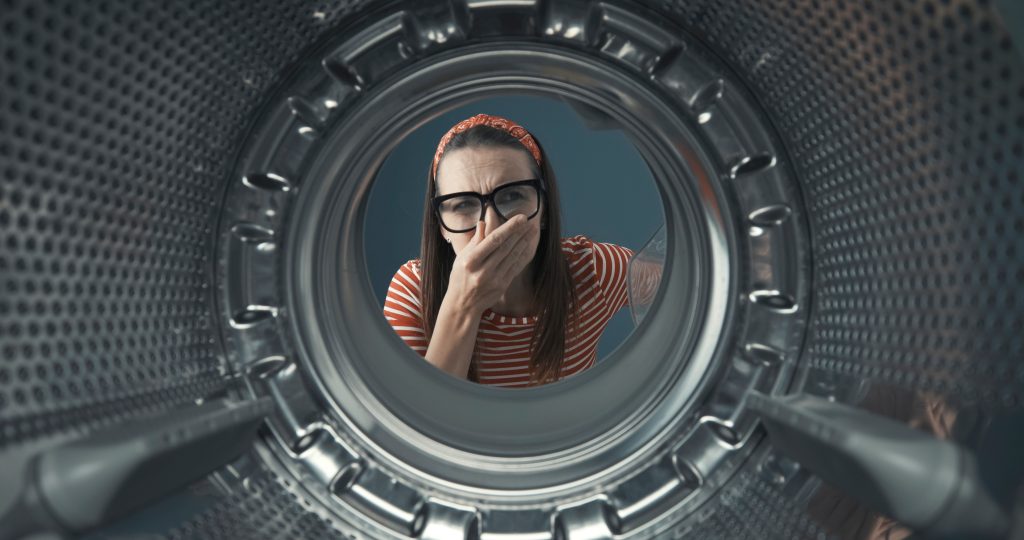
A dishwasher should leave your dishes fresh, not your kitchen smelling unpleasant. However, many homeowners suddenly notice a strong odor coming from the machine. In most cases, the issue builds slowly over time. Therefore, understanding the real cause helps prevent it from coming back again.
At JAY Repair Services, we often see that bad smells are not random. Instead, they usually point to hidden buildup, trapped moisture, or drainage issues. As a result, fixing the source—not just masking the smell—is the only way to solve the problem properly.
Why Food Residue Becomes the Main Problem
The most common reason behind a bad smell is leftover food particles stuck inside the dishwasher. These particles collect in filters, spray arms, and corners where water flow is weak. Consequently, bacteria begin to grow and create a strong odor.
In other words, even if dishes look clean, hidden debris can still remain inside the system. Over time, this buildup becomes thicker and harder to remove. For example, grease mixed with small food pieces creates a layer that traps moisture and smell.
Regular cleaning helps, but many people miss the internal filter. That is to say, the part responsible for catching debris often becomes the main source of odor if ignored.
Drainage Issues That Cause Standing Water
Another major reason is poor drainage. When water does not fully drain, it sits at the bottom of the dishwasher. As a result, stagnant water begins to smell and spreads odor throughout the appliance.
This can happen due to a clogged drain hose, blocked pump, or improper installation. Meanwhile, even a small obstruction can slow down water flow and create long-term problems. In the same vein, soap residue can combine with dirt and form a thick blockage.
If this issue continues, it may require professional inspection. You can explore reliable appliance repair services in Leduc to check drainage components and restore proper function.
Mold and Mildew Growth Inside the Dishwasher
Dishwashers operate in a warm and damp environment, which is ideal for mold and mildew. Therefore, if moisture stays trapped inside, it encourages growth in hidden areas like door seals and inner panels.
For instance, rubber gaskets around the door often collect water and small debris. Over time, these areas develop dark buildup that produces a musty smell. Similarly, corners and seams inside the unit can hold moisture long after the cycle ends.
Leaving the door closed immediately after use makes the problem worse. As a result, airflow is limited, and moisture remains trapped. Opening the door slightly after each cycle helps reduce this risk significantly.
Detergent and Grease Buildup Over Time
Using too much detergent or the wrong type can also lead to bad odors. Excess soap does not fully rinse away. Instead, it sticks to internal surfaces and mixes with grease.
Consequently, this creates a sticky residue that traps bacteria and odor. In addition, hard water minerals can combine with detergent, forming a film that builds up over time.
This is especially common in households that run short cycles frequently. For example, quick washes may not provide enough time to fully break down grease and soap. As a result, buildup continues to grow inside the system.
Hidden Areas Most People Forget to Clean
Many dishwasher parts are out of sight, which makes them easy to ignore. However, these hidden areas are often where smells begin. For instance, spray arms can clog with food particles, reducing cleaning efficiency.
Likewise, the filter at the bottom collects debris every cycle. If not cleaned regularly, it becomes a major odor source. In addition, the drain area and edges of the door can trap small particles.
Above all, consistent maintenance is the key to preventing smells. Even a simple monthly cleaning routine can make a big difference in performance and freshness.
When the Problem Goes Beyond Basic Cleaning
Sometimes, cleaning alone is not enough. If odors return quickly, there may be a deeper issue inside the system. For example, a failing pump or blocked internal line can prevent proper water circulation.
In such cases, it is better to have the appliance checked properly. You can also review related services like freezer repair in Leduc since similar moisture and drainage issues can affect other appliances.
JAY Repair Services focuses on identifying the exact cause instead of temporary fixes. As a result, the dishwasher can return to normal operation without recurring problems.
Simple Habits That Prevent Dishwasher Smells
Preventing odors does not require complicated steps. Small habits can keep your dishwasher clean and fresh. Firstly, rinse heavy food off dishes before loading. Secondly, clean the filter regularly to remove trapped debris.
In addition, leave the door slightly open after each cycle to allow airflow. Moreover, run a hot cleaning cycle occasionally with a proper cleaner to break down grease and buildup.
Most importantly, avoid overloading the dishwasher. Proper spacing allows water to circulate freely, which helps remove residue effectively.
FAQs
Why does my dishwasher smell even after cleaning it?
This usually means the odor source is hidden. For example, buildup in the drain hose or internal components may still remain. Therefore, a deeper inspection may be needed to fully remove the smell.
How often should I clean my dishwasher filter?
It is recommended to clean the filter at least once a month. However, if you use the dishwasher frequently, you may need to clean it more often to prevent buildup and odor.
Can standing water cause a bad smell?
Yes, standing water is one of the main causes. As a result, bacteria grow quickly and create strong odors. Fixing drainage issues usually solves this problem.
Is it normal for a dishwasher to smell after long periods of no use?
Yes, because moisture can remain inside the unit. Consequently, mold or mildew may develop. Running a hot cycle before regular use helps refresh the system.
When should I call for professional help?
If the smell keeps returning after cleaning, it likely points to a deeper issue. In other words, internal components may need repair or replacement to fix the problem permanently.
You can read more about our services here: Alberta Business Beat, Your Local Biz, Post Of The Day, Canada Biz Portal, The Canada Best, Calgary Best, The Daily Local.