
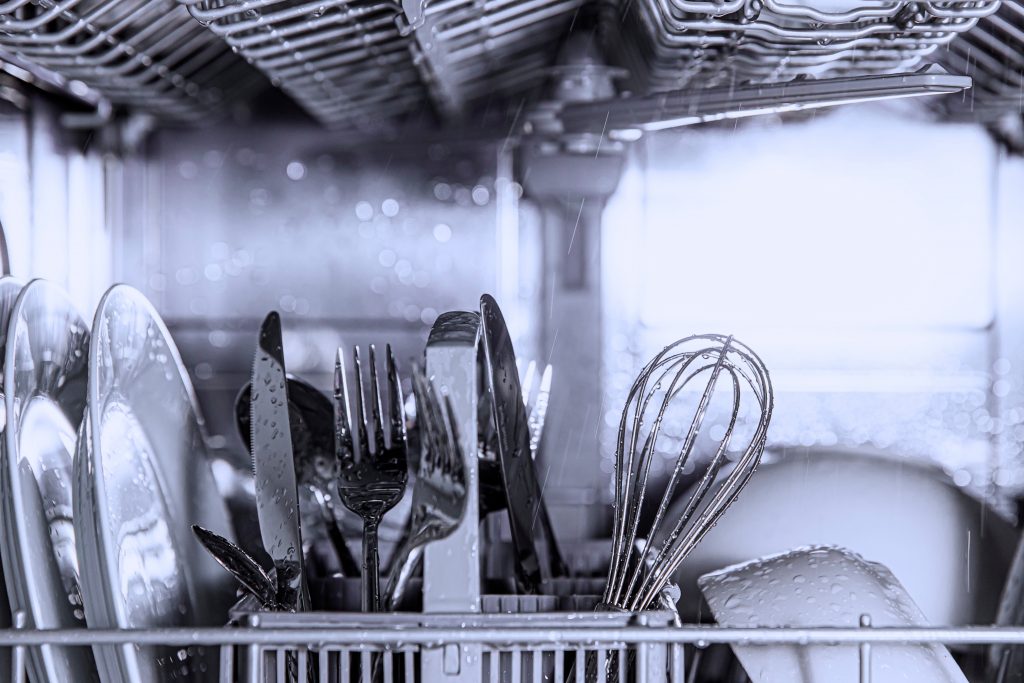
A dishwasher that stops draining properly can quickly turn from a helpful appliance into a daily frustration. Water sitting at the bottom is not just inconvenient, but it can also lead to odors and hygiene issues. At JAY Appliance Repair, this is one of the most common problems we see in homes, and it usually starts with small signs that are easy to miss.
However, the good news is that most drainage issues follow a clear pattern. Once you understand what causes them, it becomes easier to prevent bigger damage. In many cases, early attention can save both time and repair costs.
Why Water Stays Inside The Dishwasher
When water remains at the bottom of the dishwasher, it means something is blocking or slowing down the drainage system. Firstly, food particles and grease often build up in the filter. Over time, this creates a thick layer that stops water from flowing out properly.
Secondly, the drain hose can become kinked or clogged. As a result, even if the pump is working, water cannot move through the line. In other words, the system is trying to drain, but the path is blocked. This is why regular inspection of internal parts is important.
Common Blockages That Cause Drain Problems
One of the most frequent causes is a clogged filter or drain basket. For example, small food scraps, paper labels, or grease can collect in these areas. Consequently, water begins to pool because it has nowhere to go.
Another issue is the garbage disposal connection. If your dishwasher is connected to a disposal unit, a blockage there can affect drainage. Likewise, a blocked air gap can prevent proper water flow. Many homeowners overlook these areas, but they play a major role in the draining process.
If you want to understand how different appliance issues are handled, you can explore more through appliance repair services to see how these systems are inspected step by step.
The Role Of The Drain Pump
The drain pump is the part responsible for pushing water out of the dishwasher. When it starts to fail, you may hear unusual noises or notice that water drains very slowly. Therefore, even a partial failure can create noticeable problems.
Sometimes debris gets stuck inside the pump, which prevents it from spinning freely. As a result, the motor struggles to move water effectively. In more serious cases, the pump may stop working entirely. This is when professional inspection becomes necessary to avoid further damage.
How Improper Loading Affects Drainage
It may not seem obvious, but how you load your dishwasher can impact drainage. For instance, large plates or utensils can block the filter area. Consequently, water flow becomes restricted during the cycle.
In addition, overloading the dishwasher can prevent proper circulation. This means food particles are not washed away efficiently. Over time, this leads to buildup inside the system. That is to say, even small habits can create long-term issues if they are repeated daily.
Signs You Should Not Ignore
There are several warning signs that indicate a drainage problem is developing. Firstly, standing water after a cycle is the most obvious one. However, slower draining or unusual smells can appear earlier.
You might also notice gurgling sounds during operation. In the same vein, dishes may come out less clean than usual. These signs suggest that water is not moving properly through the system. Addressing them early can prevent a complete breakdown.
If similar issues appear across different appliances, it may be helpful to review solutions like freezer repair Edmonton to understand how drainage and cooling systems share similar maintenance principles.
Simple Maintenance Steps That Help
Regular cleaning is the easiest way to prevent drainage problems. Firstly, remove and rinse the filter every few weeks. This keeps food debris from building up inside the system.
Secondly, check the drain hose for bends or clogs. In addition, running a cleaning cycle with a safe dishwasher cleaner can help remove grease and residue. These small steps can significantly extend the life of your appliance.
Most importantly, avoid putting large food scraps into the dishwasher. Although it may seem harmless, it increases the risk of blockages over time.
When Professional Help Is Needed
Sometimes the issue goes beyond simple cleaning. For example, a faulty pump or electrical problem cannot be fixed with basic maintenance. In these cases, proper diagnosis is essential.
At JAY Appliance Repair, we approach each problem by checking the full drainage system. Therefore, nothing is overlooked during the process. This includes the pump, hose, filter, and connections.
Delaying repairs can lead to water leaks or damage to other parts. As a result, acting early is always the better choice. A small repair today can prevent a much larger issue later.
How Drain Issues Develop Over Time
Dishwasher problems rarely happen suddenly. Instead, they build up slowly through daily use. For instance, grease, soap residue, and food particles gradually collect in hidden areas.
Meanwhile, small restrictions in water flow become bigger over time. Eventually, the system reaches a point where it can no longer drain properly. This is why regular attention is so important.
Understanding this process helps homeowners stay ahead of major repairs. In short, consistent care keeps the appliance running smoothly for years.
FAQs
What is the most common reason a dishwasher won’t drain
The most common reason is a clogged filter or drain hose. Food particles and grease build up over time, blocking water flow and preventing proper drainage.
Can I still use my dishwasher if it is not draining
It is not recommended. Standing water can cause odors and damage internal parts. Therefore, it is better to fix the issue before continuing regular use.
How often should I clean the dishwasher filter
Cleaning the filter every few weeks is a good practice. In addition, more frequent cleaning may be needed if the dishwasher is used daily.
Does a faulty pump always need replacement
Not always. Sometimes debris is blocking the pump, and cleaning can solve the issue. However, if the motor is damaged, replacement may be required.
Can improper detergent use affect drainage
Yes, using too much or the wrong detergent can create residue buildup. As a result, this can contribute to clogs and reduce drainage efficiency.
You can read more about our services here: Alberta Business Beat, Your Local Biz, Post Of The Day, Canada Biz Portal, The Canada Best, Calgary Best, The Daily Local.