
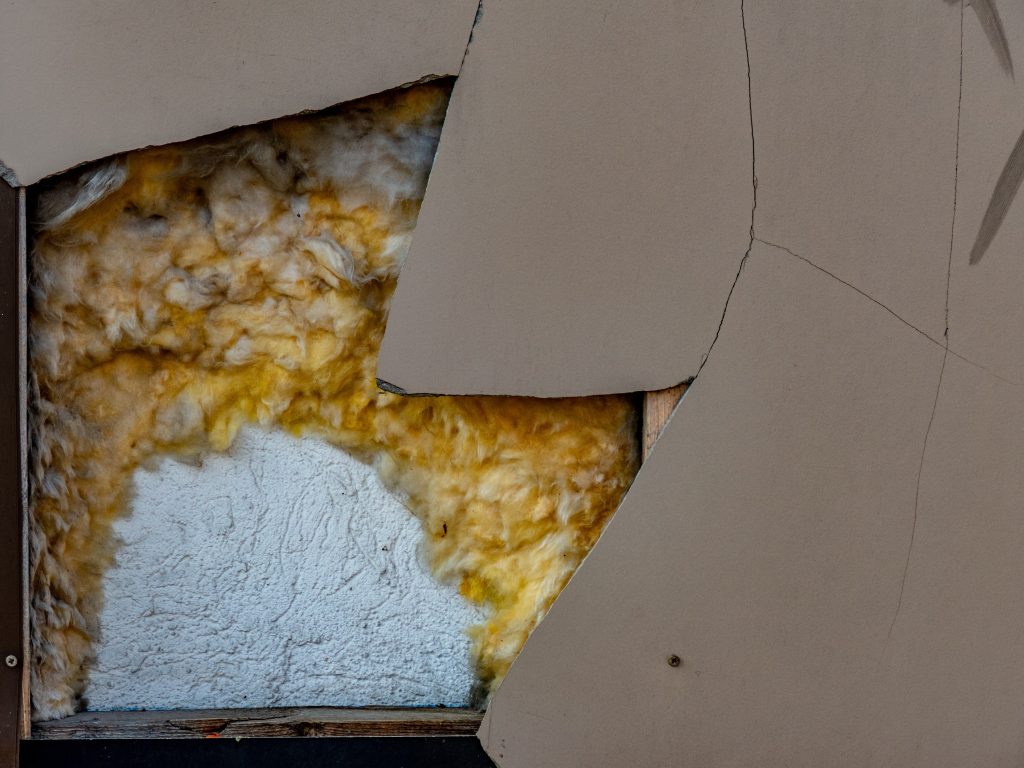
Renovating a home often feels exciting. Walls come down, new materials go in, and the space slowly becomes something better. However, older buildings can hide materials that were once considered useful but are now known to be dangerous. Asbestos is one of the most serious examples. Many homeowners begin renovation projects without realizing that disturbing old building materials can release harmful fibers into the air.
Envirotech Abatement & Remediation often sees renovation projects pause suddenly when testing reveals asbestos inside insulation, flooring, drywall, or ceiling materials. Therefore, understanding the risks before starting demolition or remodeling work is extremely important. A small mistake during renovation can turn into a major health concern if asbestos materials are disturbed.
The Hidden Presence of Asbestos in Older Buildings
Many homes and commercial buildings built before the late 1980s may still contain asbestos materials. At the time, asbestos was widely used because it was strong, heat resistant, and inexpensive. As a result, builders included it in insulation, ceiling tiles, pipe coverings, flooring adhesives, and many other construction products.
The problem begins when renovations disturb these materials. Cutting drywall, removing flooring, or opening ceilings can release microscopic asbestos fibers into the air. Once airborne, these fibers are easy to inhale and extremely difficult to remove from indoor environments.
Envirotech Abatement & Remediation frequently discovers asbestos in places homeowners never expect. For example, a simple bathroom upgrade or basement remodel can expose old insulation or wall materials that contain asbestos fibers. Therefore, testing before renovation becomes an essential safety step.
Why Renovations Increase the Risk
Renovation work naturally involves breaking, cutting, or removing existing building materials. However, these activities can become dangerous when asbestos is present. Materials that appear harmless on the surface may release hazardous fibers once disturbed.
Homeowners sometimes assume that asbestos is only found in obvious insulation or industrial materials. In reality, it may also exist in flooring tiles, textured ceilings, wall compounds, and older HVAC insulation. Consequently, renovation work can unknowingly expose workers and occupants to airborne fibers.
This is why professionals recommend inspection and testing before starting major construction changes. A simple check can identify hazardous materials early and prevent contamination inside the property.
When asbestos is confirmed, controlled removal becomes the safest option. Professional teams trained in asbestos abatement services follow strict containment procedures that prevent fibers from spreading through the building.
The Health Risks Linked to Asbestos Exposure
The reason asbestos should never be ignored is simple: exposure can lead to serious health problems. Asbestos fibers are extremely small and can remain suspended in the air for long periods. When inhaled, they may become trapped in lung tissue.
Over time, these fibers can contribute to diseases such as asbestosis, lung cancer, and mesothelioma. These conditions often develop slowly, sometimes appearing decades after exposure. Therefore, people may not immediately realize the long term consequences of breathing contaminated air.
Even short term renovation projects can create significant exposure if asbestos materials are disturbed improperly. A few hours of uncontrolled demolition may release fibers that remain in dust, carpets, ventilation systems, and other hidden areas of the home.
Envirotech Abatement & Remediation emphasizes prevention because once contamination spreads, the cleanup process becomes more complex and expensive.
Why Professional Removal Is the Safe Approach
Removing asbestos is not like removing ordinary building materials. The process requires specialized equipment, containment barriers, protective suits, and controlled disposal procedures. Without these precautions, fibers can easily spread throughout the building.
Professionals first isolate the affected area using sealed barriers and negative air systems. Meanwhile, specialized filtration equipment prevents airborne fibers from moving into other rooms. Workers then carefully remove contaminated materials while minimizing dust and disturbance.
After removal, the area is thoroughly cleaned and tested to confirm that fiber levels are safe. This careful process protects both the property and the people inside it.
Property owners looking to protect their buildings can learn more about safe environmental solutions through professional resources such as environmental remediation services. These services help identify hazardous materials early and ensure they are handled properly.
Why Early Testing Saves Time and Money
Some homeowners hesitate to test for asbestos because they worry about delays or additional costs. However, ignoring the issue often creates much bigger problems later.
For instance, renovation work may need to stop immediately if asbestos is discovered during demolition. This can lead to project delays, contractor changes, and emergency cleanup procedures that are far more expensive than early inspection.
Testing before renovation allows property owners to plan safely. If asbestos is present, it can be removed in a controlled way before construction begins. As a result, the renovation process becomes smoother and far safer for everyone involved.
Envirotech Abatement & Remediation often works with homeowners, contractors, and property managers who want to avoid unexpected risks during building upgrades.
Renovations Should Improve Homes Not Create Hazards
Renovations are meant to improve comfort, safety, and property value. However, ignoring asbestos can turn a positive project into a serious environmental concern. Disturbing old materials without testing may expose workers, residents, and even neighbors to harmful airborne fibers.
By identifying asbestos early and removing it properly, property owners can move forward with renovations confidently. Safe practices protect both the building and the people who live or work inside it.
Taking precautions today helps ensure that renovation projects lead to healthier and safer living spaces for years to come.
FAQs
How do I know if my home contains asbestos?
Homes built before the late 1980s may contain asbestos in insulation, flooring, ceiling textures, or pipe coverings. However, the only reliable way to confirm its presence is through professional testing and material analysis.
Is asbestos dangerous only when damaged?
Yes. Asbestos materials that remain sealed and undisturbed may not release fibers. However, renovations, drilling, cutting, or demolition can break these materials and release dangerous airborne particles.
Can homeowners remove asbestos themselves?
Removing asbestos without proper equipment and training is extremely risky. Professional removal teams follow strict containment and disposal procedures that prevent contamination and protect indoor air quality.
What happens if asbestos is discovered during renovations?
Construction work usually stops immediately. Professionals then assess the material, isolate the area, and safely remove the asbestos before renovation can continue.
Why asbestos testing is recommended before remodeling?
Testing before renovation helps identify hazardous materials early. Therefore, contractors can plan safe removal procedures and avoid costly delays or contamination during construction work.
You can read more about our services here: Alberta Business Beat, Your Local Biz, Post Of The Day, Canada Biz Portal, The Canada Best, Calgary Best, The Daily Local.