
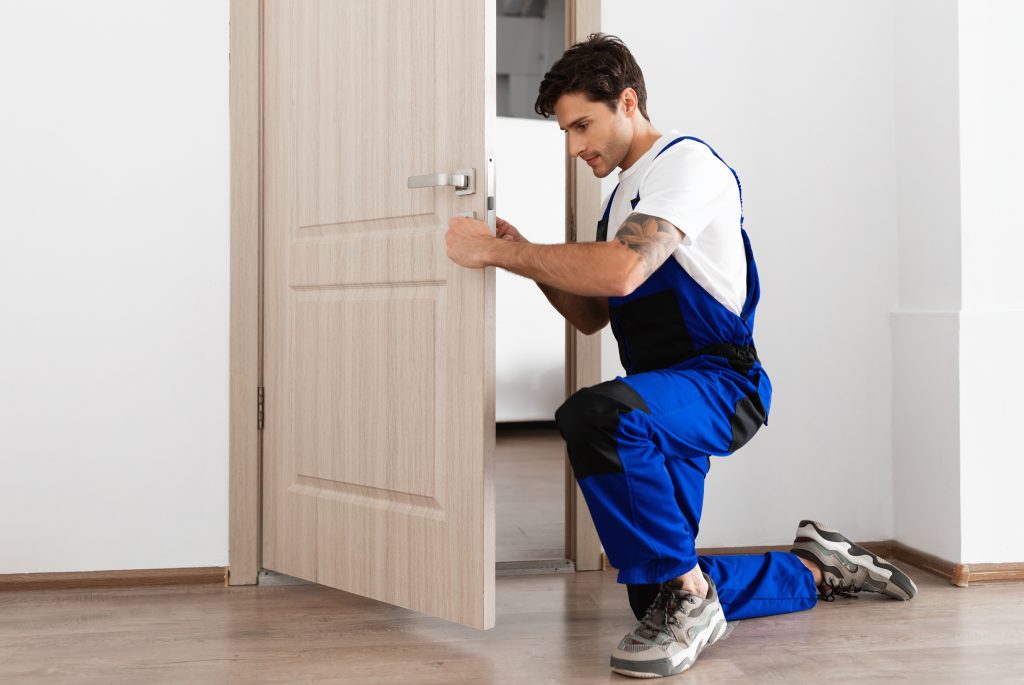
Moving into a new home brings excitement and a fresh start. New furniture arrives, boxes get unpacked, and rooms slowly become part of everyday life. However, many homeowners quickly realize that one important detail often gets overlooked during the move. The locks on the doors may still be the same ones used by previous residents.
Many people contact Super G&R shortly after moving because they want to be certain their home is secure. A new property may look perfect on the outside, yet the history of the keys remains unknown. Therefore, replacing or rekeying locks becomes one of the first security steps responsible homeowners take.
Unknown Copies of Existing Keys
When someone purchases a house, the seller typically provides a few sets of keys. However, there is no reliable way to know how many copies were originally made. Previous owners may have given spare keys to friends, neighbors, contractors, cleaners, or family members. Over time, those keys could remain in circulation without the new homeowner realizing it.
Because of this uncertainty, changing the locks removes the risk entirely. The moment a new lock cylinder or key system is installed, every previous key becomes useless. As a result, the property gains a completely fresh security starting point.
Homeowners often search for guidance through the resources available on professional locksmith services before making this decision. These services help property owners understand what options exist and which solution works best for their situation.
Real Estate Transactions Involve Many People
Another reason locks get replaced after moving is the number of people involved during the sale process. Real estate agents, inspectors, contractors, property managers, and sometimes staging companies may temporarily have access to the home. During weeks or months of showings, the house key may pass through many hands.
Although lockboxes control access, they do not guarantee that duplicate keys were never created. Therefore, once the property officially changes ownership, replacing the locks eliminates any uncertainty connected with the previous access history.
Homeowners feel more comfortable once they know the only keys in existence belong to the people currently living in the home. That simple step restores peace of mind after a busy moving period.
Rekeying Instead of Full Lock Replacement
Changing locks does not always mean replacing the entire hardware. In many homes, the locks themselves remain in excellent condition. Instead, locksmiths can reconfigure the internal pins of the cylinder so the old keys stop working.
This process is called rekeying. It allows homeowners to keep their existing lock hardware while receiving a completely new key combination. Consequently, the door hardware stays visually the same while security becomes brand new.
Many homeowners exploring residential locksmith Calgary services discover that rekeying can be both efficient and affordable. The process normally takes only a short time while providing the same level of control as replacing the entire lock system.
Improving Security While Changing Locks
Moving into a new property also gives homeowners the opportunity to upgrade their security. Older homes may contain outdated locks that do not meet modern security standards. Some may have worn cylinders or weak strike plates that make forced entry easier.
Therefore, replacing locks during a move allows homeowners to evaluate the overall security of the property. In some cases, stronger deadbolts, reinforced strike plates, or modern locking systems may provide better protection.
While examining the doors, many property owners request lock installation repair service to ensure every entry point functions properly. Proper installation ensures that locks align correctly with the door frame and operate smoothly for years.
Simplifying Key Management
Another practical reason homeowners change locks after moving is convenience. Previous owners may have used different keys for several doors around the house. One key might open the front door, another the garage entry, and another the back door.
Rekeying or replacing locks allows everything to operate on a single key. Consequently, homeowners can simplify their daily routine and reduce the number of keys they carry.
This type of key system also helps when creating spare copies for family members. Everyone can use the same key rather than managing multiple sets.
Addressing Wear From Previous Use
Locks experience constant use over the years. Thousands of key insertions, temperature changes, and daily wear slowly affect the internal components. Even if the locks appear functional, their performance may not be as reliable as when they were new.
During the moving process, many homeowners notice stiff locks, loose handles, or keys that stick when turning. Instead of waiting for a lock to fail unexpectedly, replacing or servicing it early prevents future problems.
As a result, homeowners start their time in the property with fully functioning hardware and fewer maintenance concerns.
A Simple Step That Adds Peace of Mind
The act of changing locks may seem small compared to all the other moving tasks. However, it represents one of the most meaningful security upgrades a homeowner can make after taking possession of a new property.
Once the locks are changed or rekeyed, homeowners gain confidence that the property belongs solely to them. The unknown access history disappears, and the home begins a completely new chapter of ownership.
For many people settling into a new house, that sense of control and safety becomes just as valuable as the home itself.
FAQs
Why should I change locks after buying a home?
You cannot know how many copies of the original keys exist. Changing or rekeying the locks ensures only the current homeowner and trusted residents have access to the property.
Is rekeying better than replacing locks?
Rekeying is often sufficient when the existing locks are in good condition. It changes the key combination while keeping the hardware, making it a fast and cost effective security update.
How long does it take to change home locks?
Most residential lock changes or rekeying services can be completed in under an hour, depending on how many doors and locks require adjustment.
Can all house locks use the same key?
Yes. Locksmiths can often configure multiple locks to operate with a single key, making daily use easier for homeowners and family members.
When should locks definitely be replaced instead of rekeyed?
Locks should be replaced if they are damaged, outdated, or low security. Installing stronger locks improves protection and ensures long term reliability.
You can read more about our services here: Alberta Business Beat, Your Local Biz, Post Of The Day, Canada Biz Portal, The Canada Best, Calgary Best, The Daily Local.