
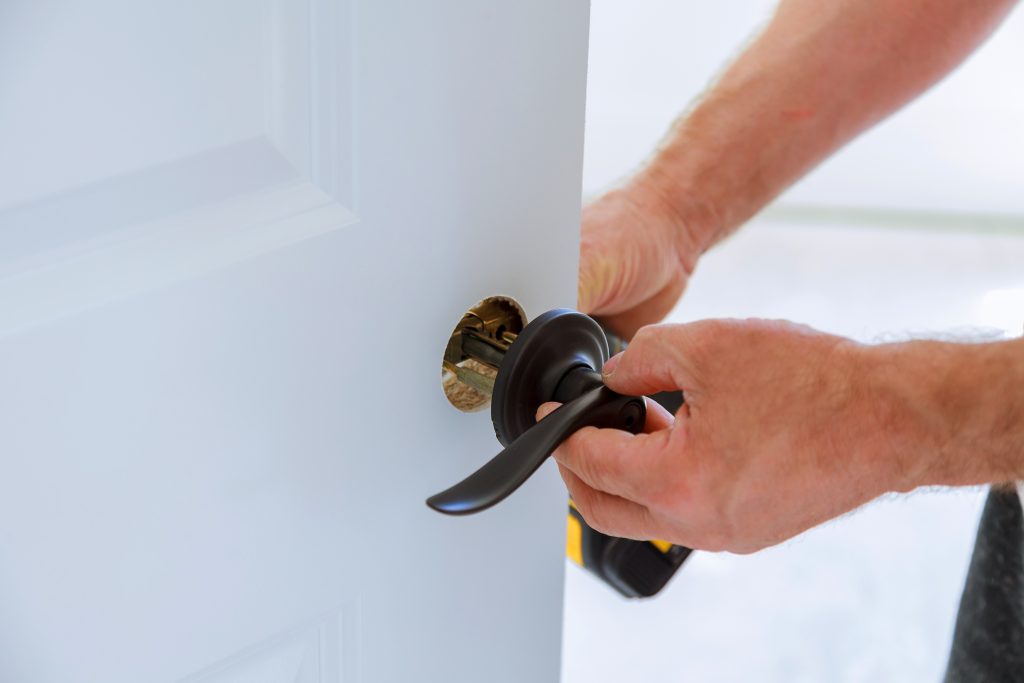
Old locks can seem sturdy from the outside, but years of use and exposure slowly wear down their internal mechanisms. Over time, even the most reliable locks begin to fail. Understanding why that happens and how professionals restore them helps you make better decisions about home security and maintenance.
How Locks Wear Down Over Time
Locks age in ways that are not always visible. Every time a key turns, the pins, springs, and internal components rub against each other. Friction, dust, and humidity slowly take their toll. When a lock is used frequently, metal fatigue develops inside, making movement less smooth. Outdoor locks face additional stress from changing temperatures, rain, and dust buildup.
As the metal expands and contracts with weather changes, alignment issues start to appear. Over years, the key might start sticking or require extra pressure to turn. Many homeowners ignore these early signs until the key breaks inside or the lock jams completely. Regular maintenance can prevent these problems, but few people realize how much attention a lock truly needs.
Common Reasons Old Locks Fail
1. Internal Wear and Tear
Most locks rely on a set of tiny moving parts that must align perfectly to work. When one pin or spring wears down, even slightly, it disrupts the mechanism. The result can be a sticky lock or a key that no longer fits properly. A professional locksmith can disassemble the lock, clean the components, and replace worn parts instead of recommending full replacement.
2. Dirt, Dust, and Corrosion
Moisture and dirt are major enemies of metal locks. Over time, corrosion can weaken springs or cause pins to stick in place. If a lock becomes sluggish, lubrication helps for a while, but eventually, corrosion eats away at the metal. Cleaning and reconditioning the lock can bring it back to life, but if the damage is deep, restoration may include replacing parts with new ones of matching specifications.
3. Weather Exposure
Locks installed on exterior doors face harsh conditions all year. Freezing temperatures can cause metal contraction, making keys hard to turn. In the summer, expansion may create the opposite problem. Rain and humidity lead to rust and swelling inside the cylinder. That is why professionals often recommend weather-resistant locks or protective covers for exterior entries.
4. Poor Key Management
Keys wear down just like locks. A worn key with smooth or bent edges can damage the lock over time. People often blame the lock when the real culprit is the key itself. Locksmiths can cut a fresh key using the original code rather than copying an old, worn one. This ensures the lock operates as intended and extends its lifespan.
5. Incorrect Installation
Even a high-quality lock can fail early if installed incorrectly. Misalignment between the latch and strike plate causes extra friction each time the door closes or opens. This repeated strain bends internal parts and leads to malfunction. Professional locksmiths always check the alignment and frame integrity before making repairs or adjustments.
How Professionals Diagnose Lock Problems
A skilled locksmith begins by testing the key movement and listening for internal friction. They may inspect the cylinder, springs, and pins under magnification to identify weak points. By feeling the resistance during turning, they can tell if the issue lies in the key, the pins, or deeper inside the lock body.
In some cases, locksmiths remove the cylinder and test it separately from the door to isolate the problem. This step determines whether the issue stems from the mechanism itself or from poor door alignment. Professionals use precision tools to avoid causing additional wear while working inside the cylinder.
The Restoration Process
Restoring an old lock involves more than simple lubrication. The process combines cleaning, calibration, and part replacement.
Cleaning the Internal Components
Locksmiths start by disassembling the lock and removing all debris. Fine brushes, solvents, and compressed air are used to clear out old grease and dirt. Once clean, the locksmith inspects each piece for signs of wear or corrosion. Damaged springs or pins are replaced, and the lock body is polished to remove rust buildup.
Replacing Worn Parts
Instead of changing the whole lock, professionals often replace the internal components with new ones that match the original design. This keeps the existing hardware intact while restoring smooth operation. When locks are old or from discontinued models, locksmiths may fabricate custom parts to preserve functionality.
Reassembly and Calibration
After reassembly, the lock is calibrated to ensure all parts align properly. The locksmith tests the key multiple times, checking for smooth movement, consistent resistance, and proper latch engagement. Adjustments continue until the key turns effortlessly and the latch operates cleanly.
Lubrication and Final Testing
The final step involves applying the right lubricant. Not all lubricants work well on locks; oil-based ones attract dirt. Professionals use graphite or silicone-based lubricants designed for precision mechanisms. After lubrication, the locksmith performs multiple tests, including under pressure, to confirm long-term reliability.
When Restoration Is Better Than Replacement
Many people assume that old locks should simply be replaced, but restoration has distinct advantages. Restoring original locks maintains architectural character in older homes. It can also be more cost-effective when the door or frame has custom fittings.
Locksmiths often suggest restoration when the lock body is structurally sound, but internal components are worn. The process extends the lifespan of the hardware without altering the look of the door. In commercial or historic buildings, restoration preserves both functionality and aesthetic integrity.
Preventing Future Lock Problems
Prevention starts with regular maintenance. A quick check every six months can save you from emergency lockouts or costly repairs. Use dry lubricants designed for locks, not household oils. Keep spare keys in good condition and replace them if they start to wear down.
Inspect door alignment to make sure the latch and strike plate fit perfectly. Even a slight misalignment can increase stress and shorten a lock’s lifespan. For exterior locks, applying a weather cover or seal helps protect against moisture and rust.
You can also schedule routine checkups with a professional locksmith in Ottawa to keep your locks in top shape. An expert can detect subtle signs of wear long before they turn into major issues.
Recognizing Early Warning Signs
Lock problems rarely happen overnight. Keys that stick, latches that fail to catch, or handles that require extra force are early warnings. If you hear grinding or scraping noises while turning the key, it means metal parts are rubbing improperly. Ignoring these signs often leads to full failure later.
If your key starts getting difficult to remove, do not force it. Forcing the key can bend internal pins or break the key inside. Instead, call a professional who can safely extract the key and restore the lock’s movement. Addressing small symptoms early prevents costly replacements later.
Extra Insight: Why Lock Quality Matters
Not all locks age the same. The quality of the metal, precision of manufacturing, and type of environment determine how long a lock lasts. Lower-quality locks often use softer metals that wear quickly under daily use. High-quality locks, especially those with brass or stainless steel components, resist corrosion and maintain accuracy longer.
However, even premium locks require maintenance. Dust and lack of lubrication can cause failure in any mechanism. The real key to longevity lies in combining good materials with proper care. Professionals understand this balance and use specialized products to match each lock type.
Modern Restoration Tools and Techniques
Locksmiths today use advanced tools to restore old locks without damaging them. Ultrasonic cleaning machines can remove grime from small internal parts without harsh chemicals. Precision rekeying kits allow locksmiths to rebuild internal configurations exactly to the original key code.
Digital calibration tools also help ensure the reassembled lock functions like new. These modern methods restore security while preserving authenticity, especially in older locks found in heritage homes or antique furniture.
When to Replace Instead of Repair
Restoration works well when the lock body is solid. But if the housing is cracked, the keyway is severely corroded, or the locking mechanism fails under pressure, replacement is the safer choice. Professionals evaluate the balance between cost, safety, and preservation before recommending either option.
If you experience frequent jamming even after cleaning or repairs, it may mean the structure itself is compromised. In such cases, a new lock not only restores function but also improves security. A locksmith can help match modern locks to existing doors, ensuring both safety and aesthetic continuity.
Why Professional Restoration Is Safer
DIY repairs can make problems worse. Many people use household oils that attract dust, or they reassemble parts incorrectly after cleaning. A professional has the right tools, materials, and expertise to ensure each component works as designed.
Professional locksmiths also carry replacement parts that match industry standards, ensuring reliability. Their experience allows them to recognize potential failures before they happen. For older or high-security locks, this expertise can make the difference between a successful repair and an expensive mistake.
If you notice any issues with your door locks or want expert help restoring them, you can contact us for reliable assistance. A simple call can save you time, stress, and future expenses.
FAQ
1. How often should locks be serviced?
Ideally, locks should be checked and lubricated every six months, especially those on exterior doors exposed to weather changes.
2. Can old locks be made as secure as new ones?
Yes, many old locks can be upgraded with new internal parts or rekeyed to improve security while keeping the original structure intact.
3. Why does my key sometimes get stuck in the lock?
This often happens due to worn keys, dirt buildup, or alignment issues. A locksmith can clean and adjust the mechanism to restore smooth turning.
4. Is it cheaper to restore or replace a lock?
Restoration is usually more cost-effective if the lock body is in good condition. Replacement may be necessary only if the structure is damaged beyond repair.
5. What lubricant should I use for locks?
Use a dry graphite or silicone-based lubricant. Avoid oil-based products since they attract dust and grime that can cause the lock to stick again.