
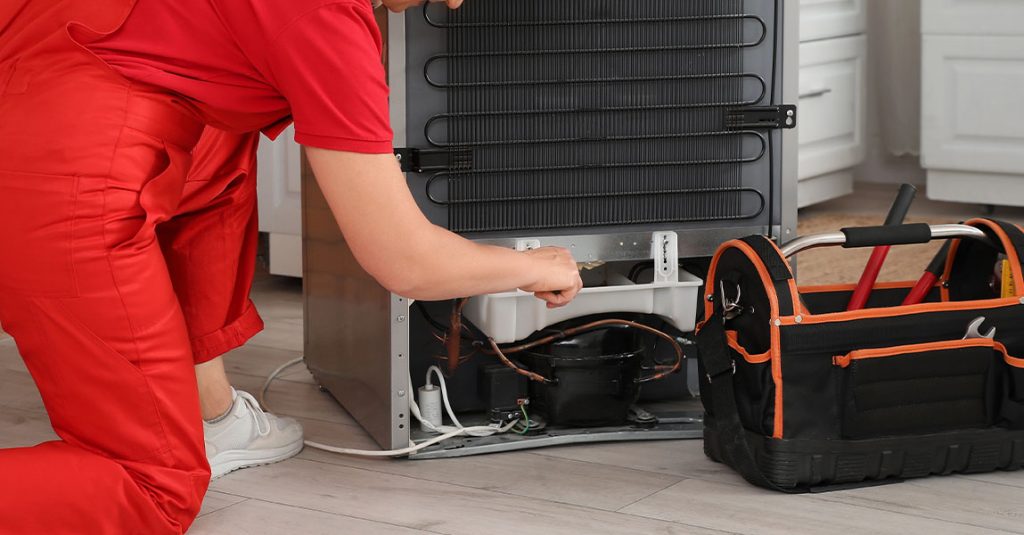
Keeping appliances clean may sound like a simple household routine, but in truth, it’s one of the most effective ways to avoid expensive repairs and replacements. When we take care of our machines regularly, we don’t just make them look good; we help them run efficiently, last longer, and save energy. From refrigerators to washing machines, regular cleaning can make the difference between years of reliable performance and the frustration of early breakdowns.
Dirt and Dust: The Hidden Enemy of Appliance Efficiency
Many people underestimate how much damage dust and grime can cause over time. In most cases, appliance malfunctions start small. A dusty vent or clogged filter restricts airflow, causing the motor or compressor to work harder than it should. That extra strain increases wear and tear on internal parts, shortens the appliance’s life, and raises your utility bills.
Take refrigerators, for example. The coils at the back or bottom of the unit release heat. When they get covered in dust, the fridge struggles to cool effectively, consuming more energy while reducing its overall lifespan. Similarly, clogged dryer vents can trap heat and moisture, putting both the appliance and your home at risk.
A few minutes of cleaning each month can prevent these common issues. Vacuuming refrigerator coils, wiping away lint, and cleaning vents with a brush can keep airflow strong and parts running smoothly.
Kitchen Appliances and the Impact of Grease Build-up
Grease build-up is one of the biggest threats to kitchen appliances. Whether it’s the oven, microwave, or range hood, oil particles settle on surfaces, harden, and form sticky layers that block air vents and sensors. Over time, this residue interferes with temperature regulation and efficiency.
For example, grease that accumulates on a range hood filter prevents it from removing smoke and odors properly. In ovens, greasy residue can trap heat unevenly, affecting how food cooks and putting pressure on internal components like fans and thermostats.
Cleaning doesn’t have to be complicated. A simple mix of warm water and mild dish soap can remove grease effectively. For tougher spots, using a paste of baking soda and water helps dissolve hardened layers. Doing this regularly prevents long-term buildup and keeps your appliances working as they should.
If your appliance is already showing signs of performance issues or unusual noise, it might be time for professional maintenance. For homeowners who need trusted appliance repair in St Albert, keeping up with cleaning is the first step, but early inspection from an experienced technician ensures small problems don’t grow into costly repairs.
How Regular Cleaning Improves Safety
Appliance safety often depends on cleanliness. Dust, grease, and debris don’t just harm performance—they can also create hazards. Lint accumulation in dryers, for instance, is a well-known fire risk. When heat builds up behind a blocked vent, it can easily ignite trapped particles.
The same goes for ovens, stoves, and toasters. Burnt food remains and grease inside these appliances can flare up if not cleaned frequently. Electrical components are also vulnerable; dust can collect around cords, sockets, and control panels, creating short circuits or overheating.
A consistent cleaning routine is a safety precaution as much as it is a maintenance task. Removing dirt, vacuuming vents, and keeping appliances dry after cleaning help prevent electrical problems and ensure every device operates safely.
Longevity Through Simple Maintenance Habits
Every appliance, no matter how advanced, has parts that require regular attention. Filters, seals, and fans all play critical roles in maintaining performance. If they’re ignored, small blockages or residue can lead to strain that shortens their life.
A clean dishwasher, for instance, doesn’t just wash dishes better; it also prevents the pump and spray arms from clogging. Regularly removing food debris from the filter and running a cleaning cycle with vinegar keeps it working efficiently. Washing machines benefit in similar ways. Detergent buildup can form a sticky film that traps dirt, leading to odor and mold. Running an empty hot water cycle with vinegar or baking soda once a month can prevent this.
In short, cleaning extends the life of appliances because it keeps every component working under normal conditions. It reduces friction, prevents overheating, and ensures energy is used efficiently.
The Financial Advantage of Prevention
When we delay cleaning, we don’t just risk damage—we risk higher costs. Repairing a burnt-out motor or replacing a malfunctioning compressor can be far more expensive than the time it takes to clean regularly.
Simple tasks like vacuuming refrigerator coils or wiping oven interiors are among the best long-term investments for homeowners. They improve energy efficiency, reduce breakdown frequency, and keep utility bills predictable. A dirty appliance often consumes more electricity to do the same job. Over a year, that added strain can translate into significant extra costs.
Moreover, regular cleaning helps technicians detect early signs of wear during scheduled checkups. For example, while cleaning a refrigerator coil, you might notice a small leak or unusual noise that signals an early issue. Fixing it right away prevents the type of major malfunction that often leads to full system replacement.
Cleaning Habits That Make the Biggest Difference
Different appliances have unique cleaning needs, but some universal habits can make a major difference in avoiding expensive repairs.
1. Refrigerators – Vacuum coils every three months and check the door seals. A dirty gasket prevents proper closure, causing the motor to run continuously.
2. Dishwashers – Clean the filter after each cycle, wipe the door seal weekly, and run a deep cleaning cycle monthly.
3. Ovens and Stoves – Wipe spills as soon as they occur. Burnt residue becomes harder to remove over time and can affect heating elements.
4. Washers and Dryers – Clean lint filters after every use and wash the detergent drawer regularly. Once a month, run a hot water cycle to remove buildup.
5. Air Conditioners and Heaters – Clean or replace filters often to maintain airflow and prevent overheating.
Building a cleaning schedule helps. You can divide tasks by week or month, depending on your household’s usage patterns. When you make it part of your regular routine, maintenance becomes simple and automatic.
The Role of Proper Cleaning Products
It’s not just how often we clean that matters, but also what we use. Harsh chemicals can corrode seals, damage internal coatings, or leave residues that interfere with sensors.
Always check the manufacturer’s recommendations. Many appliances perform best with mild cleaners, vinegar solutions, or non-abrasive sprays. Using the wrong products can do more harm than good. For instance, using bleach on stainless steel can cause discoloration, while abrasive pads can scratch delicate surfaces.
Microfiber cloths, soft brushes, and natural cleaning agents are often sufficient for most household appliances. Choosing safe materials protects both the device and your health.
When Cleaning Isn’t Enough
Even with regular maintenance, appliances eventually develop wear that needs professional attention. Strange sounds, electrical smells, or reduced performance are all signs that cleaning alone may not solve the issue.
This is where routine inspections or timely repairs make the difference. Technicians can diagnose electrical faults, replace failing components, and recalibrate systems to restore performance. Regular cleaning reduces how often you’ll need these services, but having access to trusted professionals ensures problems are handled safely when they do appear.
If you notice early warning signs or need advice about maintenance schedules, you can contact us for guidance or inspection. Acting quickly prevents further damage and helps keep repair costs reasonable.
Environmental Benefits of Regular Cleaning
Clean appliances don’t just save money—they help the environment. When machines run efficiently, they consume less power and water, which reduces the household’s overall environmental impact.
For example, a clogged dryer vent forces the machine to run longer cycles, wasting energy. A clean dishwasher requires less detergent and water per load. Even small habits like cleaning refrigerator coils help maintain energy efficiency, reducing overall consumption.
Maintaining appliances also reduces waste. When we keep our machines running longer, we decrease the demand for replacements, lowering the environmental footprint associated with manufacturing and disposal. Regular cleaning is an easy and practical step toward more sustainable living.
How Cleaning Supports Consistent Performance
A clean appliance delivers more consistent results. Refrigerators maintain stable temperatures, ovens heat evenly, and washers rinse thoroughly. This reliability matters not only for convenience but also for preventing damage to what we use them for—food, clothing, or dishes.
When buildup interferes with sensors or vents, performance fluctuates. That inconsistency can lead to spoiled food, poorly cleaned clothes, or undercooked meals. Routine cleaning keeps every sensor and component functioning as intended.
Many homeowners find that once they establish a habit of cleaning, they rarely encounter major performance problems again. The more we integrate maintenance into daily life, the smoother and more dependable our appliances become.
FAQs
1. How often should I clean my refrigerator coils?
Every three months is ideal, especially if you have pets or live in a dusty environment. Regular cleaning prevents overheating and keeps the fridge efficient.
2. Can vinegar damage appliances?
When used correctly, vinegar is safe for most appliances. However, it should be diluted with water and avoided on rubber seals or aluminum parts where it might cause deterioration.
3. Why does my dryer still overheat after cleaning the lint trap?
The vent line may still be clogged. Lint often accumulates in the duct that leads outside, so cleaning that section at least twice a year is important.
4. What are the first signs my appliance needs repair despite regular cleaning?
Unusual noises, longer operating times, leaks, or electrical smells are common early indicators that something needs attention beyond routine cleaning.
5. Is professional maintenance necessary if I clean regularly?
Yes, because technicians check components that aren’t visible or easy to access. Cleaning helps prevent issues, but professional inspections ensure everything operates safely and efficiently.