
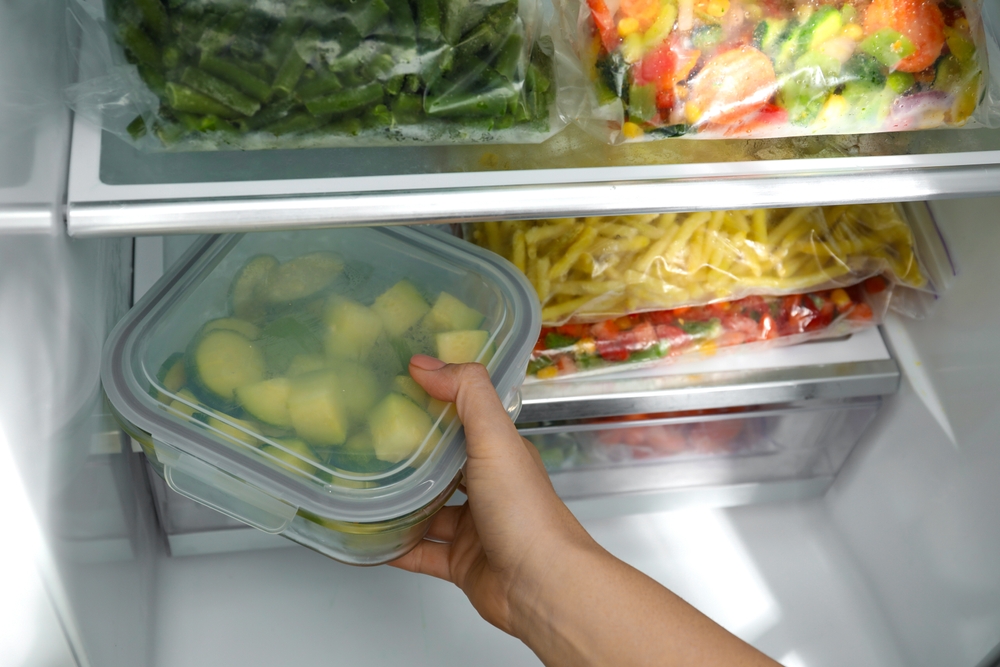
A chest or upright freezer in the garage is one of the most practical appliances an Alberta household can own. It holds a side of beef, a summer’s worth of garden produce, and the bulk-buy staples that make winter grocery runs less frequent. So it feels deeply counterintuitive when that freezer starts struggling in the coldest months of the year. You would expect a freezer to work better when the room around it is already below zero, yet many Edmonton homeowners notice soft ice cream, partially thawed packages, or a warning light exactly when January hits hardest.
The reason is mechanical, not mysterious. Understanding it can save a freezer full of food and help you decide when a quick fix will do and when it is time to call a technician. The team at Edmonton Repair Appliances sees this exact seasonal pattern across the Edmonton area every winter.
How Cold Garage Temperatures Confuse a Freezer
Your freezer does not measure the temperature of the food inside. It measures the air temperature inside the cabinet with a thermostat, then runs the compressor until that air reaches the target. In a heated house this works perfectly. In an unheated Edmonton garage, the problem begins when the surrounding air drops below the freezer’s set point.
When the garage itself falls to minus 10 or colder, the thermostat senses cold air and simply stops calling for the compressor to run. The trouble is that a freezer compartment cools evenly only when the compressor cycles regularly. If the compressor rarely runs, the freezer stops circulating cold, and in a frost-free model the automatic defrost heater can actually warm pockets of the cabinet without the compressor kicking back on to recover. The result is a freezer that reads "cold enough" while packages near the top or the door edge begin to soften.
Single-Thermostat Models Are the Most Vulnerable
Many older and budget freezers use one thermostat for the whole unit. These are the models most likely to misbehave in a cold garage. Appliances sold as "garage ready" use a different design, often a secondary heater or a wider operating range, so they keep cycling even when the room is frigid. If your freezer was never rated for an unheated space, an Edmonton winter is simply outside the conditions it was built to handle.
Signs the Problem Is the Environment, Not a Breakdown
Before assuming the freezer has failed, look at the pattern:
- Food stays solid in fall and spring but softens only during deep cold snaps.
- The freezer sits in an unheated garage, shed, or uninsulated porch.
- The compressor runs far less often than it did in summer.
- A thermometer placed inside reads warmer than the dial suggests.
If those points line up, the freezer is likely healthy and the cold room is the culprit. That is an important distinction, because the fixes are very different from the ones a failing compressor or a bad seal would need.
What Actually Fixes a Cold-Garage Freezer
A few practical steps help a healthy freezer ride out Edmonton’s winter:
1. Keep it full. A packed freezer holds its temperature far longer than an empty one because frozen mass acts as a cold buffer. Jugs of water fill the gaps in a lean month.
2. Add a garage heater or insulated enclosure. Keeping the immediate area above the freezer’s set point lets the thermostat cycle normally.
3. Choose a warmer corner. An interior garage wall shared with the heated house stays milder than an exterior wall.
4. Check the manufacturer’s minimum operating temperature. If the garage routinely drops below it, no setting change will compensate.
When It Is a Real Fault
Sometimes the cold weather simply reveals a fault that was already developing. A freezer that fails regardless of season, frosts over heavily, runs constantly without getting cold, or trips the breaker needs diagnosis rather than a heater. A worn door gasket, a failing thermostat, a refrigerant issue, or a defrost system fault all produce symptoms that no amount of garage insulation will solve. This is where professional freezer repair in Edmonton is worth the call, because a technician can confirm whether the appliance or the environment is to blame before you lose a full load of food.
Protecting the Food While You Sort It Out
If you suspect a problem mid-winter, move the most valuable or perishable items into a working fridge-freezer in the house first. Then test the garage unit with an independent thermometer over a day or two. Keeping notes on when the softening happens, and at what outdoor temperature, gives a repair technician a head start on the diagnosis.
Edmonton Repair Appliances sees this seasonal pattern every year across the Capital Region, and the team can tell quickly whether a freezer needs a part or simply a better-suited location. Because the technicians are Red Seal certified and carry commonly needed parts, many freezer visits are handled the same day you call.
Frequently Asked Questions
Can I put any freezer in an unheated Edmonton garage?
Not safely. Only models rated as "garage ready" or with a stated low minimum operating temperature are built to keep cycling in deep cold. A standard freezer may stop maintaining temperature once the room drops below its set point.
Why does my freezer work in summer but not in January?
In summer the garage air stays above the freezer’s target temperature, so the compressor cycles normally. In winter the cold air fools the thermostat into shutting the compressor off, and the cabinet slowly loses its even chill.
Will keeping the freezer full really help?
Yes. A full freezer has far more frozen mass to hold the cold between compressor cycles, so it rides out temperature swings much better than a half-empty one.
My freezer fails even in mild weather. Is that still an environment problem?
Probably not. A unit that struggles year-round, frosts heavily, or runs constantly likely has a mechanical fault and should be diagnosed. Reach out through the contact page to arrange a service visit.
Is it worth repairing an older garage freezer?
It depends on the fault and the age of the unit. A technician from Edmonton Repair Appliances can assess the appliance and provide a quote after inspection so you can weigh repair against replacement.