
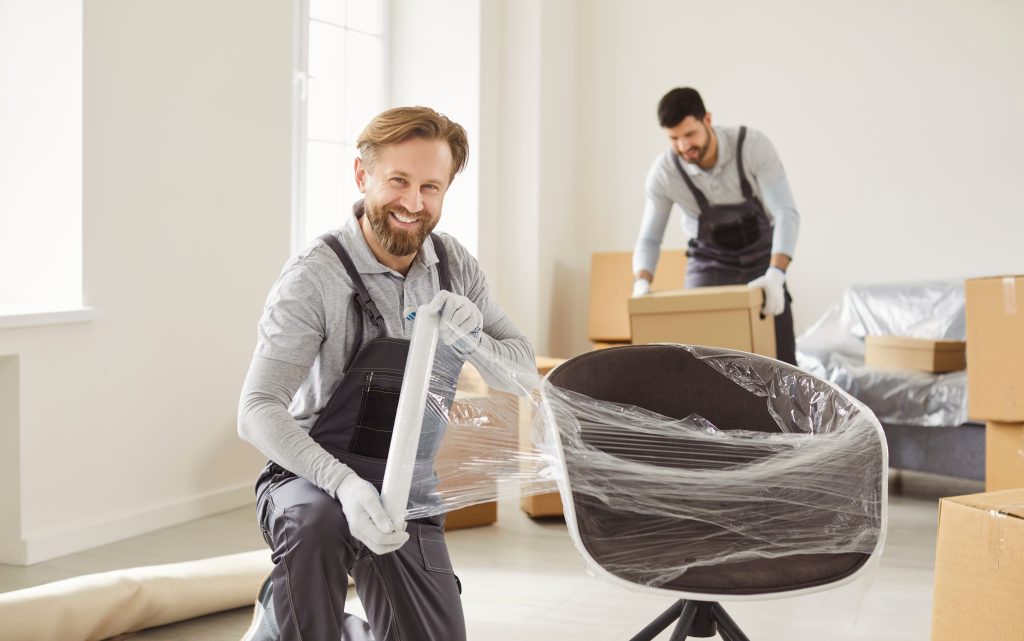
Moving fragile items from one property to another takes more than basic boxes and tape. Glassware, artwork, mirrors, electronics, antiques, and delicate furniture can easily become damaged during loading or transportation if they are not packed correctly. Therefore, many families and businesses now look for experienced packing support before moving day arrives. Foothills Moving understands how stressful fragile item transportation can feel, especially when valuable or sentimental belongings are involved. In addition, careful preparation helps reduce breakage, delays, and unnecessary replacement costs during local or long distance moves.
Professional movers often begin with a room by room packing strategy to separate delicate belongings from standard household items. This process allows every object to receive the right level of protection before entering the moving truck. For example, dishes may require double wall boxes and layered cushioning, while televisions need corner protection and secure wrapping. Many customers searching for professional moving services also want organized labeling systems that help unpacking stay simple after arrival.
Why Fragile Items Need Specialized Packing Methods
Fragile belongings react differently to pressure, vibration, and movement during transportation. A single poorly packed box may collapse when stacked beside heavier furniture or appliances. Consequently, experienced movers use reinforced materials and secure wrapping methods to minimize shifting while traveling between locations. Foothills Moving often handles items that require additional stabilization because standard packing materials alone may not provide enough protection.
Glass shelves, picture frames, decorative lamps, and electronics usually require layered wrapping techniques. Firstly, movers use soft packing paper to prevent surface scratches. Secondly, bubble cushioning or foam inserts help absorb impact during loading and unloading. In addition, strong packing tape keeps containers tightly sealed so fragile items remain secure throughout the trip. These small preparation steps often make a major difference once the moving process begins.
Many homeowners also underestimate how quickly fragile items can become damaged while being carried through hallways, stairs, and entryways. For instance, tight corners and uneven surfaces increase the possibility of accidental contact. Professional packing teams help reduce these risks because they understand how to organize and protect delicate belongings before transportation starts.
Packing Supplies Make a Major Difference
The quality of packing materials directly affects how well fragile belongings survive transportation. Thin cardboard boxes or reused containers may fail under pressure, especially during larger residential moves. Therefore, professional movers usually rely on heavy duty materials designed specifically for relocation services.
Strong dish packs, wardrobe boxes, reinforced tape, furniture blankets, foam sheets, and corner protectors all serve different purposes during a move. In addition, customized packing solutions help protect unusual or oversized belongings that may not fit standard containers. Foothills Moving uses organized packing systems to help prevent shifting inside the truck while maximizing available loading space.
Electronics often require anti static wrapping materials to prevent internal damage during transportation. Likewise, fragile kitchen items usually benefit from divided compartments that stop glass surfaces from colliding together. Proper labeling also becomes important because movers need to identify delicate boxes immediately during loading and unloading.
Customers preparing for large moves often discover that professional packing support actually saves time and money. As a result, they avoid purchasing unnecessary materials while reducing the risk of damage caused by incorrect packing methods. Careful preparation also speeds up unpacking because boxes remain organized and clearly identified after delivery.
Extra Attention for Valuable and Oversized Fragile Items
Some belongings require more advanced preparation than ordinary household objects. Pianos, antiques, marble furniture, sculptures, and oversized mirrors often need specialized handling techniques during relocation. Therefore, experienced movers use additional protection and equipment to safely transport these valuable items.
Heavy musical instruments remain one of the most challenging fragile items during residential moving projects. Their internal components can become damaged even from minor movement or improper lifting. Many families searching for piano moving services want trained movers who understand how to protect both the instrument and surrounding property during transportation. In addition, proper equipment helps reduce strain while navigating stairs, doorways, and narrow hallways.
Artwork and collectibles also require careful handling because temperature changes and vibration may affect delicate surfaces. Protective wrapping combined with secure positioning inside the truck helps minimize unnecessary movement during travel. Likewise, antiques often contain aging materials that become more fragile over time, making professional packing especially important during long distance relocations.
Foothills Moving regularly helps customers organize difficult moves involving delicate furniture, expensive electronics, and sentimental family belongings. Careful planning before moving day allows fragile items to stay separated from heavier equipment that could otherwise cause damage during transportation.
Organization Helps Prevent Last Minute Problems
Packing fragile items at the last moment often leads to rushed decisions and poor protection. Consequently, experienced movers encourage customers to begin organizing delicate belongings well before moving day arrives. Early preparation creates enough time to identify special packing needs and arrange materials properly.
A detailed inventory also helps reduce confusion once unpacking begins. For example, labeling boxes according to room location and fragility level helps movers place items carefully inside the new property. In addition, organized packing makes it easier to track valuables throughout the relocation process.
Many people focus only on transportation while overlooking the importance of loading order inside the truck. However, balanced loading significantly reduces shifting during travel. Fragile boxes should remain secured away from heavy furniture or equipment that may slide during sudden stops or turns. Professional movers understand how to distribute weight safely while protecting sensitive belongings throughout the trip.
Experienced packing services also reduce physical stress for homeowners and families. Instead of rushing through difficult packing tasks, customers can focus on scheduling, utilities, paperwork, and moving day coordination. As a result, the entire relocation process feels more manageable from beginning to end.
FAQs
How far in advance should fragile items be packed before moving day?
Fragile belongings should ideally be packed several days before the move. This schedule provides enough time to organize delicate items properly without rushing or overlooking important protective materials.
What items usually require professional packing assistance?
Glassware, mirrors, electronics, artwork, antiques, marble furniture, and musical instruments commonly require professional packing because they are more vulnerable to damage during transportation.
Can movers provide packing supplies for fragile belongings?
Yes, many moving companies provide specialized boxes, wrapping materials, cushioning, and protective supplies designed specifically for fragile and oversized items.
Why is labeling important for fragile moving boxes?
Clear labeling helps movers identify delicate boxes quickly during loading and unloading. Consequently, fragile belongings receive more careful handling throughout transportation and unpacking.
Are fragile items safer with professional movers?
Professional movers understand secure packing, lifting, and loading methods that reduce movement and impact during transportation. Therefore, fragile belongings are usually much safer when handled by experienced teams.