
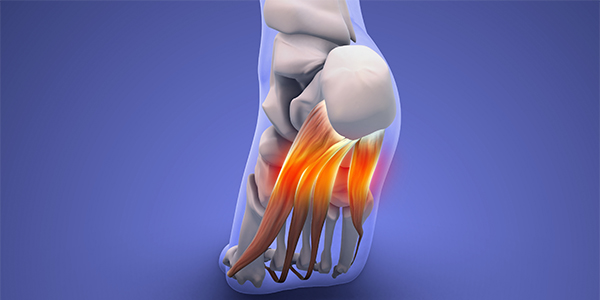
Most people don’t take heel pain seriously at first. You figure it’s from being on your feet too long, or that new workout you started, or just one of those things that comes and goes. So you rest it. You ice it. You wait.
And sometimes it does settle down — for a while. But then you’re back on your feet, back to your routine, and there it is again. A little sharper this time. A little harder to shake.
So what’s actually going on, and is this something your body can fix on its own?
Sometimes — But the Odds Aren’t in Your Favour
There are cases where plantar fasciitis resolves without professional treatment. They tend to share a few things in common: the pain started recently, it was clearly triggered by a specific change in activity, and the person acted on it fast — scaling back, stretching, giving the tissue a real chance to recover.
In those situations, the body can often do the work. The inflammation is still reactive, the tissue hasn’t broken down significantly, and the mechanics driving the problem haven’t had time to become habits.
But that’s a narrow window. Most people who develop plantar fasciitis have been on their feet through the discomfort for weeks — sometimes months — before they decide something needs to change. By that point, the tissue has taken more damage, and rest alone isn’t going to undo it.
The Problem With Waiting It Out
Here’s what rest actually does: it reduces the acute pain signal. What it doesn’t do is repair the micro-tears in the plantar fascia, correct the mechanical patterns that caused those tears, or loosen the tight calves and restricted joints that are keeping the tissue under constant strain.
So when you return to normal life — standing at work, walking the dog, doing the things you do — your foot meets the same conditions that caused the problem in the first place. The stress returns, the tissue responds, and the cycle continues. This is why so many people spend months describing their heel pain as something that “gets better and then comes back,” never quite resolving.
What makes this worse over time is compensation. When something hurts, the body protects it — subtly shifting weight, adjusting the stride, offloading pressure from the sore spot. You may not even notice it’s happening. But over weeks and months, those altered movement patterns create new strain through the ankles, knees, hips, and lower back. A problem that started in your foot starts showing up everywhere else.
When Plantar Fasciitis Becomes Chronic
The three-month mark matters. Once plantar fasciitis has been present that long, it stops behaving like an acute injury and starts behaving like a degenerative condition. The tissue changes at a structural level. The inflammation isn’t just reactive anymore — it becomes woven into the fascia itself. And the body, responding to the relentless pulling of the fascia on the heel bone, begins laying down calcium at that attachment site.
That calcium deposit is a heel spur. It’s not a coincidence or bad luck — it’s what happens when plantar fasciitis goes unmanaged for too long. And once a spur has formed, treatment becomes more involved, recovery takes longer, and the risk of permanent structural changes increases.
This is the real cost of waiting. Not just months of unnecessary pain, but a condition that becomes progressively harder to resolve. You can read more about plantar fasciitis and heel spur treatment at Osteo Health Calgary.
What Actually Gets You Better
Recovery from plantar fasciitis isn’t just about calming down the pain — it’s about fixing what broke and making sure it doesn’t break again. That means repairing the damaged tissue, releasing the structures that are loading the fascia, correcting the movement patterns driving the problem, and rebuilding the foot’s capacity to handle normal daily stress.
At Osteo Health Calgary, we combine four therapies that each target a different part of this process — working together rather than in isolation.
Shockwave Therapy uses focused acoustic waves to penetrate the damaged tissue, breaking down scar buildup, stimulating fresh blood flow, reducing chronic inflammation, and activating the body’s own repair response. It’s particularly effective for cases that have been going on for months and haven’t responded to rest or home stretching. It’s also included at no extra cost alongside Osteopathy and Massage Therapy at our clinic.
Osteopathy looks beyond the foot itself. The way your ankle moves, how tight your calf is, whether your pelvis is level, how your weight distributes through each step — all of it affects how much strain your plantar fascia absorbs. Our osteopaths assess the full lower limb, release what’s restricted, and restore the mechanics that allow the tissue to heal without being constantly reloaded.
Massage Therapy works on the soft tissue directly — the calves, the Achilles tendon, the arch, and the fascia of the foot. Chronically tight calves are one of the most common reasons plantar fasciitis doesn’t resolve; they maintain tension through the heel even when you’re resting. Releasing that tightness takes meaningful load off the damaged tissue and improves circulation to the area that needs to repair.
Acupuncture supports the process from the inside out — reducing pain signalling, improving local circulation, releasing deep fascial and muscular tension, and helping to calm the whole-body stress response that builds up in anyone who has been living with chronic pain for an extended period.
What to Expect From Treatment
Every plan we build at Osteo Health is specific to the person — their symptoms, their job, their activity level, and how long they’ve been dealing with the pain. As a general framework, we recommend a minimum of 4–6 weekly sessions for reliable, lasting improvement.
Most clients feel a noticeable difference after the first or second appointment — not just temporary relief, but a real change in how the foot feels and functions day to day. Our team at Osteo Health has been helping people across South Calgary recover from heel pain since 2018, with appointments available online around the clock and coverage under most extended health benefit plans.
So — Can It Heal on Its Own?
In the very early stages, possibly. For most people, no — and the longer it goes without proper treatment, the more that answer solidifies. Weeks of waiting become months of chronic pain. Chronic pain becomes structural damage. Structural damage becomes a much longer road back.
The good news is that with the right approach, most people get better quickly and completely. Heel pain doesn’t have to become your new normal. Learn more about what treatment looks like at Osteo Health Calgary.
👉 Book your appointment and start recovering from plantar fasciitis today.
Frequently Asked Questions
Q1: How long does plantar fasciitis last if left untreated? Without proper treatment, it can persist for months or years. Chronic cases — those lasting beyond three months — are common when people rely on rest alone, and over time the condition can lead to heel spur formation and compensatory pain through the knees, hips, and lower back.
Q2: What is the fastest way to heal plantar fasciitis? Treating both the symptoms and the root causes at the same time produces the fastest results. At Osteo Health Calgary, combining shockwave therapy with osteopathy or massage therapy and acupuncture consistently delivers faster recovery than any single treatment on its own. Most clients notice a real improvement within one to two sessions.
Q3: Can stretching alone fix plantar fasciitis? Stretching is genuinely useful — especially for the calves, Achilles, and plantar fascia — and it should be part of your daily routine during recovery. But it addresses tension, not tissue damage or structural mechanics. For anything beyond the mildest early-stage cases, it’s most effective as a complement to professional treatment rather than a replacement for it.
Q4: Will plantar fasciitis come back after treatment? Not if the underlying causes are properly resolved. At Osteo Health, recovery includes a maintenance phase covering home exercises, footwear guidance, and periodic care — so the foot stays functional and the risk of flare-ups stays low.