
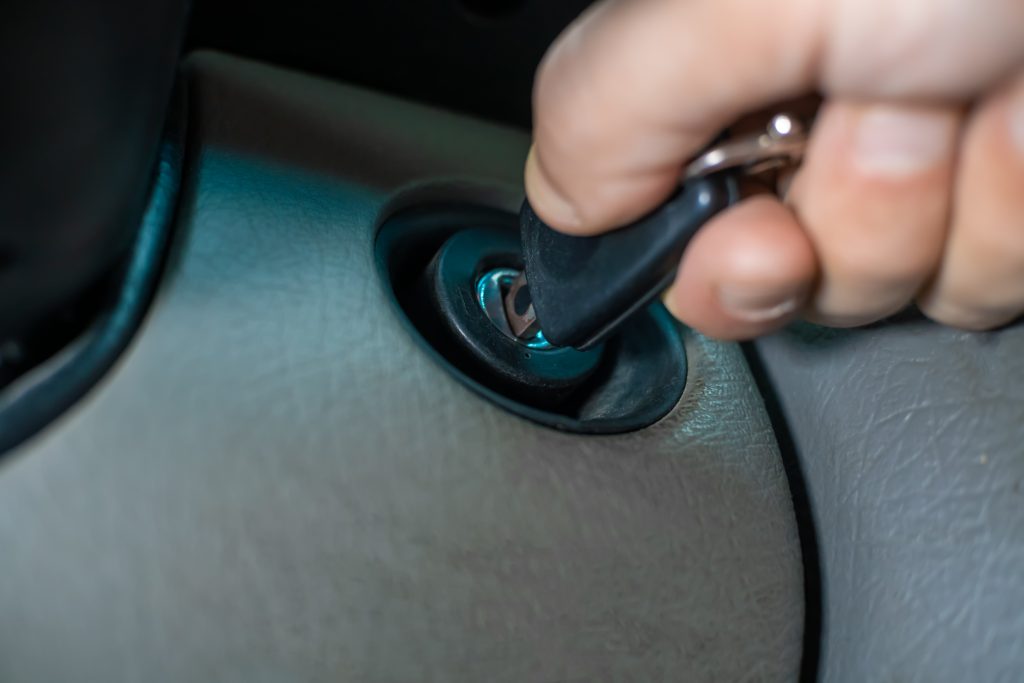
Dealing with a snapped key inside a lock often feels like a disaster, especially when you are in a rush. We understand the frustration of seeing a piece of metal stuck deep inside the cylinder. It happens more often than you might think, usually due to metal fatigue or a lock that needs lubrication. Our team at Your Key Maker has handled countless situations where a simple turn resulted in a clean break. Knowing how to manage this situation properly can save you from replacing the entire lock mechanism.
Why Keys Break Inside Locks
Keys are durable, but they are not invincible. Over years of use, the metal develops tiny cracks. These cracks weaken the structure until the pressure of turning the lock causes it to snap. Cold weather in Canada can also make metal more brittle. Furthermore, if a lock is stiff or contains debris, you might apply more force than necessary. Our professional technicians often see this when homeowners try to force a stubborn door open. Instead of pushing harder, it is usually better to seek locksmith services before the break happens.
Another common cause is the use of low-quality duplicate keys. Some metals are softer than the original factory-cut versions. When these softer metals encounter resistance, they twist and eventually shear off. We recommend always checking your keys for visible cracks or “bowing” where the metal looks twisted. If you notice these signs, stop using the key immediately to avoid a lockout.
The Risks of DIY Extraction
It is very tempting to grab a pair of tweezers or a screwdriver to try and fish the broken piece out yourself. We strongly advise against this approach unless a significant portion of the key is sticking out. When you poke tools into the keyway, you risk pushing the broken fragment deeper into the cylinder. If the piece reaches the back of the lock, it becomes much harder to retrieve.
Using oil or WD-40 can sometimes help, but it can also gum up the internal pins if the lock is already dirty. Our team uses specialized extraction tools that are incredibly thin and hooked. These tools slide past the broken key fragments without causing damage to the internal springs and pins. If you damage the internal components, a simple extraction turns into a full lock repair in Ottawa or a total replacement.
What to Do Immediately After a Break
If your key snaps, the first thing to do is stay calm. Check to see if any part of the metal is protruding from the face of the lock. If you can see a few millimetres of metal, you might be able to pull it out with needle-nose pliers. Pull straight out without twisting. If the key is flush with the lock or buried inside, do not attempt to touch it.
Leave the lock exactly as it is. If you have another entrance to your home or business, use that instead and secure the door from the inside if possible. At Your Key Maker, we suggest taking a clear photo of the lock face. This helps us determine which extraction tool will work best before we even arrive at your location.
How Professionals Extract Broken Keys
When our experts arrive, we follow a specific process to ensure the lock remains functional. We start by applying a specialized graphite lubricant that helps the metal fragment slide easily across the pins. We then select an extractor tool based on the depth of the break. These tools have tiny barbs designed to “bite” into the teeth of the broken key.
We carefully slide the tool along the side of the key fragment, hook onto one of the cuts, and gently pull it forward. In most cases, the piece slides right out. Once the fragment is removed, we test the lock with a spare key to ensure no internal damage occurred during the break. Our goal is always to preserve your hardware and avoid the cost of a new lock.
Preventive Maintenance for Your Locks
To prevent this from happening again, our team recommends a few simple maintenance steps. Lubricate your locks at least once a year using a dry lubricant like graphite. Avoid using heavy oils that attract dust and grime. If you feel resistance when turning your key, it is a sign that the pins are misaligned or the lock is dirty.
Check your keys regularly for signs of wear. If the “teeth” of the key look rounded or flat, or if the blade of the key has a slight bend, it is time for a new one. Keeping your locks in good health ensures that you never find yourself staring at a broken piece of metal in your door. Your Key Maker is always here to help with professional tools and expert care to get your day back on track quickly.
Frequently Asked Questions
Can a broken key be copied to make a new one? Yes, in most cases. If we can extract both pieces of the broken key, we can often use them to decode the cuts and create a brand-new, sturdy key for you.
Will I need to replace my lock after an extraction? Generally, no. If the extraction is performed by a professional, the lock remains perfectly functional. Replacement is only necessary if the lock was already broken or if a DIY attempt damaged the internal pins.
How long does a professional extraction take? Most extractions take between 15 and 30 minutes. The time depends on how deep the key broke and whether anyone tried to push it back in before we arrived.
Is it okay to use super glue to pull out a broken key? We strongly advise against this. Super glue almost always drips into the lock cylinder, bonding the key and the pins together. This usually results in having to replace the entire lock.
Why did my key break even though it was new? New keys can break if the lock is jammed or if the key was a poor-quality copy. If you have to force the key to turn, the pressure will eventually cause the metal to fail, regardless of how new the key is.